Kenyan Families Take In Ethiopians Fleeing Conflict as Food and Water Run Short
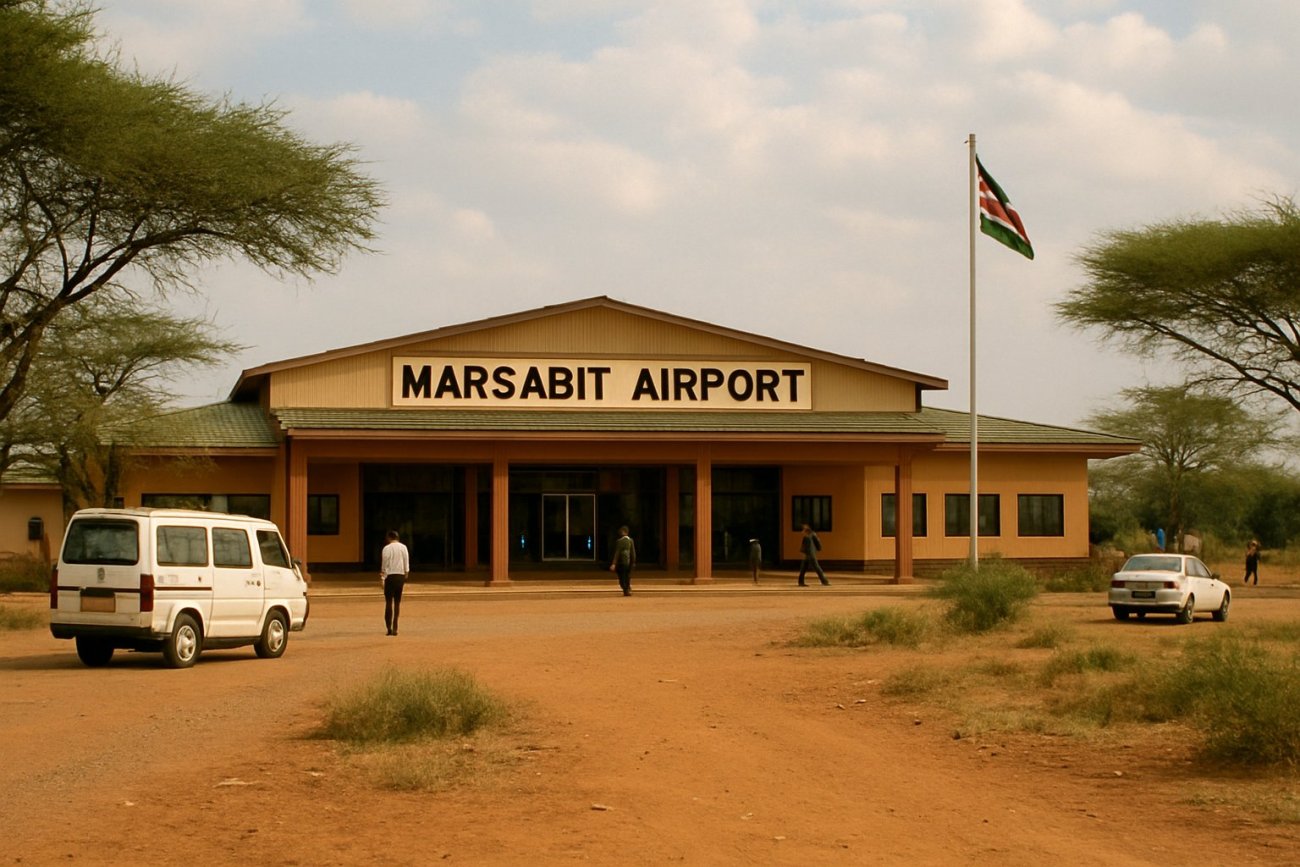
Kenyan families living along the border with Ethiopia in northern Kenya are sheltering Ethiopians who fled the conflict on the Ethiopian side of the frontier, and the food and water in the homes taking them in are running short, The Star has reported. The arrivals crossed into Kenya to escape the fighting and were received into private households rather than into any formal settlement.
The situation is unfolding around Moyale, the border town in Marsabit County. The same conflict has ground Moyale to a halt, the Daily Nation separately reported, bringing the crossing to a standstill at the same time as people fleeing the fighting have been seeking safety on the Kenyan side.
According to The Star’s report, the Ethiopians crossed over from the Ethiopian side and were taken in by families living in the area. The host households opened their doors to the arrivals and have since been feeding and sheltering them alongside their own family members, drawing on the supplies they had in their homes.
The strain is now showing in those stores. Food and water are running short, The Star reported, as the families divide what they have among the additional people now living under their roofs.
Moyale occupies an unusual position on the map. The town straddles the Kenya–Ethiopia border, with its Kenyan half sitting in Marsabit County and its other half lying across the boundary in Ethiopia. It serves as the main crossing point between the two countries on the road corridor that links Nairobi with Addis Ababa, and its economy has long been built around the trade and transport that pass through it.
The international boundary between Kenya and Ethiopia runs for hundreds of kilometres of dry country, and Moyale functions as its principal gateway. Traffic between the two countries, including livestock bound for markets on either side, moves through the town in normal times.
Marsabit County, where the Kenyan half of Moyale lies, is Kenya’s largest county by land area and among its driest. The county falls within Kenya’s arid and semi-arid lands, where rainfall is low and unreliable, water points are few and far between, and drought recurs. Pastoralism is the main livelihood for much of the population.
Communities on the two sides of the boundary around Moyale share family, trading and grazing ties that long predate the border, and movement between the two halves of the town has been a routine feature of life in the area.
The Daily Nation’s reporting describes that movement as having stopped. The conflict in Ethiopia has ground the town to a halt, the paper reported, leaving Moyale at a standstill while, across the line, the families that took in the arrivals continue to host them.
Kenya has for decades hosted people fleeing conflict in the surrounding region, from Somalia to South Sudan and beyond, with large refugee complexes such as Dadaab and Kakuma operating in its northern counties. The situation described around Moyale follows a different pattern, in which the arrivals have been absorbed directly into private family homes rather than registered in a camp.
Neither report gave figures for the number of Ethiopians who have crossed into the area or the number of Kenyan families hosting them. The reports also did not specify which of the conflicts inside Ethiopia the new arrivals had fled.
The Star’s report did not say whether any relief supplies or outside assistance had reached the hosting households, and neither report carried comment from the Marsabit County administration, the national government or humanitarian organisations on the situation or on any response.
For now, the arrangement reported by The Star continues, with Kenyan families sharing steadily shrinking stocks of food and water with the Ethiopians sheltering in their homes, while the conflict that drove them across the border keeps Moyale at a standstill.