Kenya Replaces Passport Referee Requirement with Biometric Verification
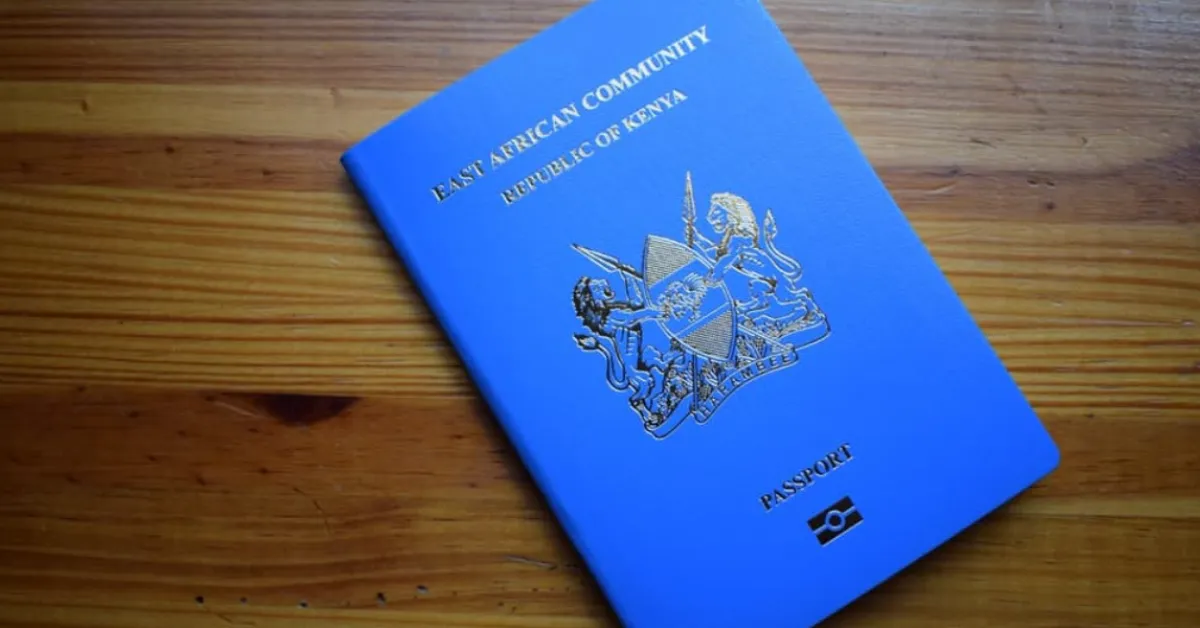
The Department of Immigration Services has made the recommending officer section of Kenya’s passport application form optional, removing a requirement that had long delayed applications and increased costs for many applicants.
For years, passport applicants were required to provide a recommending officer, usually a doctor, lawyer or civil servant, to confirm their identity and character. The requirement often proved difficult to meet, leading some applicants to seek signatures from strangers, unqualified individuals or people who charged a fee.
The department said the recommending officer section is no longer required because the system had become difficult to verify. Instead, identity checks will rely on biometric technology, allowing fingerprints, national identity cards and passport photographs to be matched against official government records. Officials said this provides a more reliable method of preventing fraud than third-party endorsements.
Under the previous system, recommending officers were expected to certify passport photographs and confirm that an applicant was genuine. Close relatives were not permitted to act as referees, and only people in specific professions could provide the endorsement. However, the process became vulnerable to forged signatures and unofficial payments, reducing its effectiveness.
The department said removing the requirement will help reduce delays in the passport application process and limit opportunities for informal payments. Applicants will continue to provide the existing supporting documents, including birth certificates and national identity cards, alongside biometric verification.
The change forms part of wider efforts to modernise Kenya’s immigration services by adopting technology-based identity verification. Many countries now rely on biometric systems rather than personal recommendations to confirm an applicant’s identity.