Kalonzo Sounds the Alarm in the US: Opposition Leader Leads Delegation Abroad Over 2027 Election Readiness
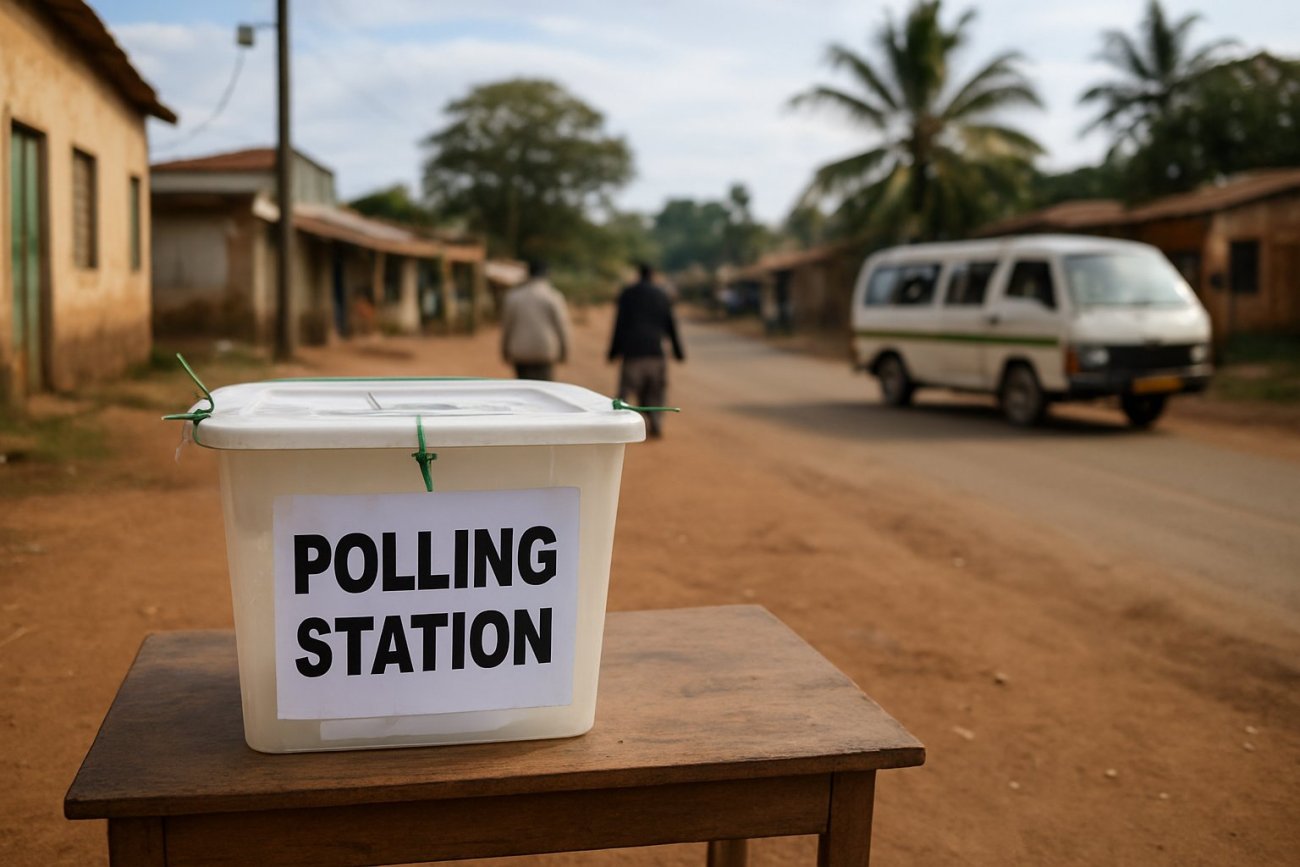
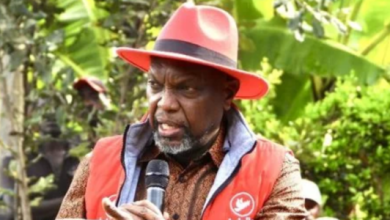
Kalonzo Musyoka has led a delegation of Kenyan opposition leaders to the United States, where he has raised the alarm over the country’s readiness for the 2027 general elections. The Star, a Kenyan daily, reported that the veteran politician used the visit to press concerns about Kenya’s electoral preparedness, with the next national vote constitutionally due on the second Tuesday of August 2027.
The readiness question at the centre of Kalonzo’s warning has shadowed Kenyan electoral planning since the Independent Electoral and Boundaries Commission (IEBC) lost its chairman and the majority of its commissioners when their terms ended in January 2023. The commission spent more than two years without a full membership while the reconstitution process was tied up in court disputes, a period in which continuous voter registration and other preparatory work stalled. A new commission was eventually sworn in during 2025, but arguments over the time remaining to complete outstanding milestones have continued between the government and the opposition.
Among the outstanding items is the constitutionally mandated review of constituency boundaries, last carried out in 2012, which the IEBC is required to undertake at intervals of not less than eight and not more than ten years. That interval has long since elapsed, and the feasibility of completing a boundary review before the 2027 polls has been repeatedly questioned in Kenya’s political and legal circles.
Kalonzo leads the Wiper Democratic Movement and served as Kenya’s vice president between 2008 and 2013 in the grand coalition government of President Mwai Kibaki and Prime Minister Raila Odinga. He was Odinga’s running mate in the 2013 and 2017 presidential elections and backed Odinga’s 2022 bid under the Azimio la Umoja One Kenya coalition before declaring his own interest in the 2027 presidential race.
His travel to the United States comes as he has moved to the forefront of opposition politics. Odinga, the coalition’s 2022 presidential candidate, lost his bid for the African Union Commission chairmanship in February 2025 and subsequently entered a working arrangement with President William Ruto’s administration, an arrangement that brought a number of opposition figures into government. Kalonzo declined to join that arrangement and has instead insisted that Ruto be confronted at the ballot box in 2027.
Ruto, who took office in September 2022, is expected to seek a second term. His administration faced nationwide protests in 2024 over a contentious finance bill, which he ultimately declined to sign after the demonstrations turned deadly, and the opposition has signalled it will campaign on the cost of living, taxation and public debt. The Supreme Court upheld Ruto’s 2022 election victory after Odinga challenged the result.
The delegation’s visit coincides with a changing political landscape in the United States. The Democratic Party won the midterm elections and will lead the House of Representatives from January 3, an outcome that reshapes the congressional terrain heading into the next session.
At home, the opposition camp that Kalonzo is seeking to lead remains unsettled. Former Deputy President Rigathi Gachagua, who was removed from office through impeachment in October 2024 and has since moved into opposition politics, recently declared, “I am the most unifying factor in the Opposition.” The competing claims come amid manoeuvring within opposition ranks over who will spearhead the challenge to Ruto in 2027.
Strains are also visible on the ruling side. The Daily Nation reported that supremacy battles among Maa leaders have boiled over and sucked in Ruto.
Kenya’s general elections are held every five years on the second Tuesday of August, placing the next polls on August 10, 2027, with the presidency, all seats in the National Assembly and the Senate, county governorships and county assembly seats at stake.