Iran’s New Leadership Sparks Global Concern Over Potential Nuclear Ambitions
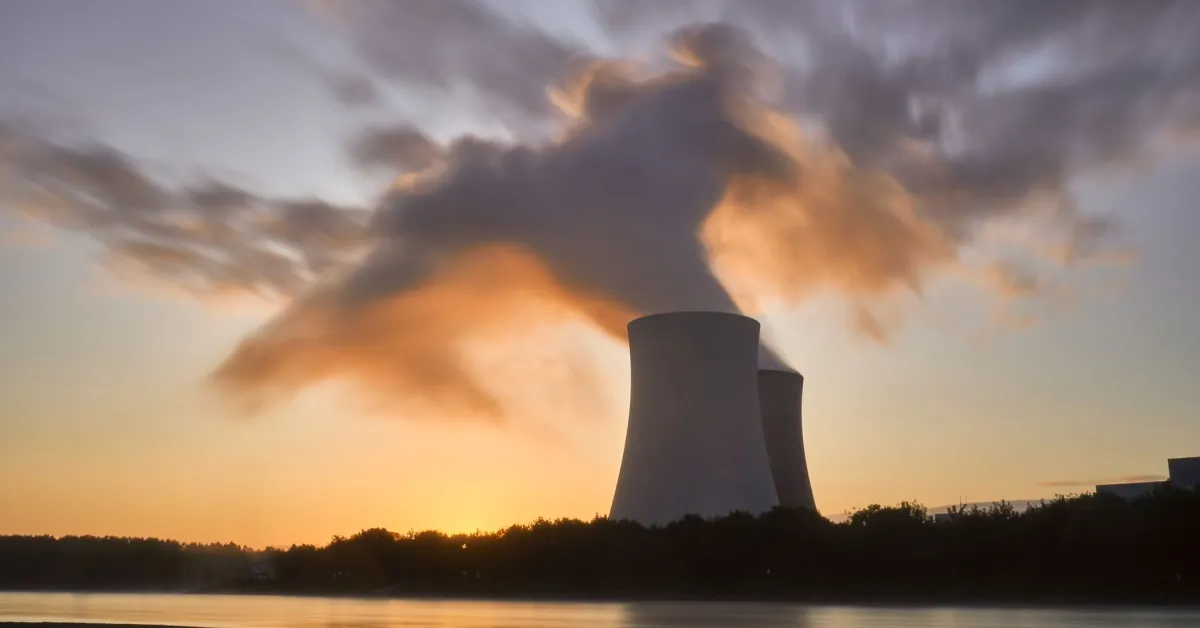
In a significant development that has drawn international attention, U.S. intelligence agencies have reported that Iran’s new leader, Ali Khamenei, is showing increased interest in pursuing nuclear weapons. This shift in policy comes after the death of the previous supreme leader, Ayatollah Ali Khamenei, who had consistently renounced nuclear arms. The implications of this potential change in Iran’s nuclear posture have far-reaching consequences for global security and have prompted a flurry of diplomatic activity.
According to the latest assessments from the Central Intelligence Agency (CIA) and other U.S. agencies, there is growing evidence that Iran’s leadership under Ali Khamenei is reconsidering its stance on nuclear weapons. “The new leadership’s approach to nuclear development reflects a more aggressive posture,” said William Burns, Director of the CIA, in a recent briefing. “We are closely monitoring their activities and collaborating with our allies to address any potential threats.”
The prospect of Iran developing nuclear weapons has raised alarms among Western nations, particularly the United States and its European allies, who have long sought to prevent nuclear proliferation in the Middle East. The Joint Comprehensive Plan of Action (JCPOA), an agreement reached in 2015 aimed at curbing Iran’s nuclear capabilities, had frayed after the U.S. withdrawal in 2018. However, recent intelligence suggests that Iran may no longer feel bound by its terms, leading to renewed calls for diplomatic engagement.
U.S. Secretary of State Marco Rubio emphasized the importance of a coordinated international response. “Iran’s potential shift towards nuclear armament is unacceptable. We are urging the international community to reaffirm their commitment to preventing nuclear proliferation,” Rubio stated, highlighting the urgency of reviving diplomatic negotiations with Tehran. The European Union and the United Nations Security Council have also been involved in discussions to address the potential risks posed by Iran’s nuclear ambitions.
The ramifications of Iran’s potential nuclear pursuits extend beyond immediate geopolitical concerns. Developing countries, particularly in Africa and the Middle East, could face significant risks if regional instability escalates. Historically, conflicts in the Middle East have had widespread implications for global oil prices, economic stability, and refugee movements, affecting countries far beyond the immediate sphere of conflict.
In light of these developments, analysts are closely watching Iran’s interactions with other nations and international bodies. The International Atomic Energy Agency (IAEA) has been tasked with monitoring Iran’s nuclear activities, and its reports will be critical in shaping future diplomatic efforts. Furthermore, the upcoming sessions of the United Nations General Assembly are expected to feature intense discussions on Iran’s nuclear intentions and the broader implications for international security.
As the situation evolves, world leaders are called upon to navigate the delicate balance between deterrence and diplomacy, with the aim of preventing further escalation. The global community remains vigilant, aware that the actions taken today will have lasting impacts on international relations and security. With the stakes so high, the path forward for Iran and its nuclear ambitions will undoubtedly be a defining issue in global diplomacy in the coming months.