How Over 5,000 Ethiopians Lost Legal Protection to Live and Work in the US
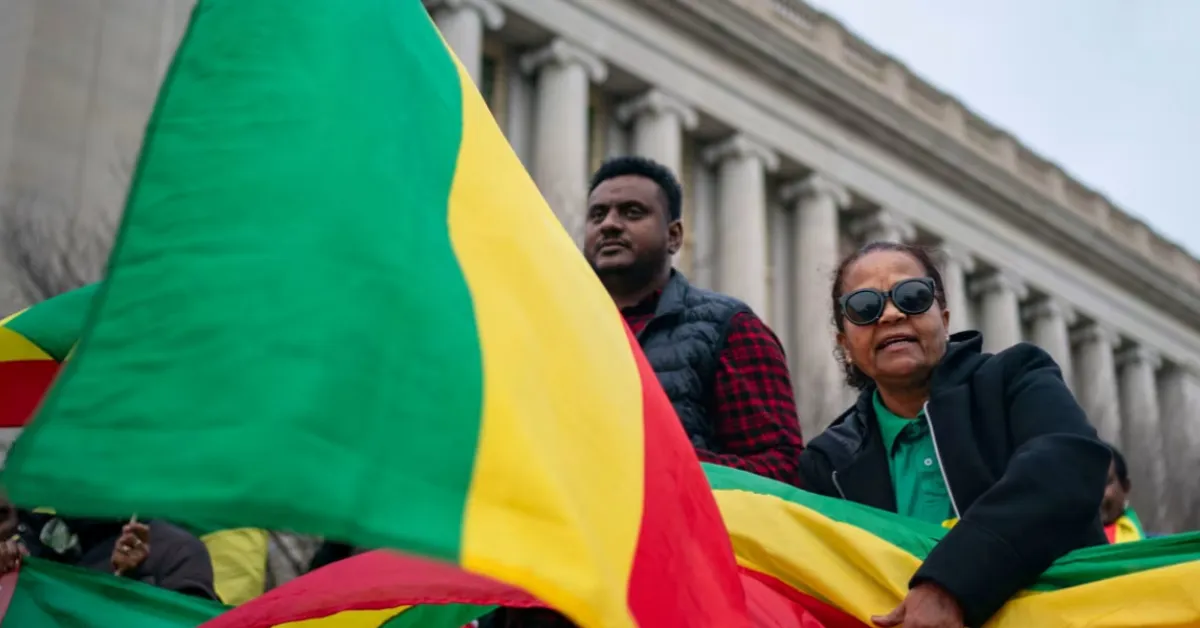
A federal judge in Boston has cleared the way for the Trump administration to end Temporary Protected Status (TPS) for more than 5,000 Ethiopians living in the United States.
US District Judge Brian Murphy’s decision on Tuesday removed the final judicial obstacle to the Department of Homeland Security (DHS) ending Ethiopia’s TPS designation. His ruling followed a Supreme Court judgment in June, issued by a 6–3 conservative majority, that limited the ability of lower courts to review DHS decisions on TPS.
The precedent has already allowed the administration to end TPS protections for nationals of Haiti, Syria, South Sudan and Myanmar. DHS officials welcomed the ruling. James Percival, the department’s general counsel, said on social media that “all TPS terminations are in effect”.
Advocacy groups criticised the decision, saying thousands of Ethiopians could now face deportation while instability continues in their home country. Diana Konaté of African Communities Together said the ruling “puts the lives of thousands of Ethiopians living in the US at severe risk”, citing ongoing armed conflict and humanitarian crises.
TPS protections for Ethiopians were first extended in 2022 under President Joe Biden, who said the measure was necessary to protect citizens from violence and displacement. In December, DHS, under then-Secretary Kristi Noem, moved to end the protections, arguing that conditions in Ethiopia had improved enough to allow people to return safely.
Murphy initially blocked the move in April, finding that DHS had offered a “pretextual” justification and had failed to follow statutory procedures. The plaintiffs also challenged DHS’s authority to terminate TPS, arguing that the 1990 law establishing the programme gave that power solely to the Attorney General rather than to DHS, which was created after the September 11 attacks.
Judges in similar cases involving other countries have rejected that argument, and Murphy reached the same conclusion. However, he allowed the case to continue over claims that DHS had acted with racial or national-origin bias. The allegations are based on claims that the administration has disproportionately targeted non-white and non-European migrants.