H-1B Visa Crisis? US Proposes $103K Fee as Applications Expected to Fall
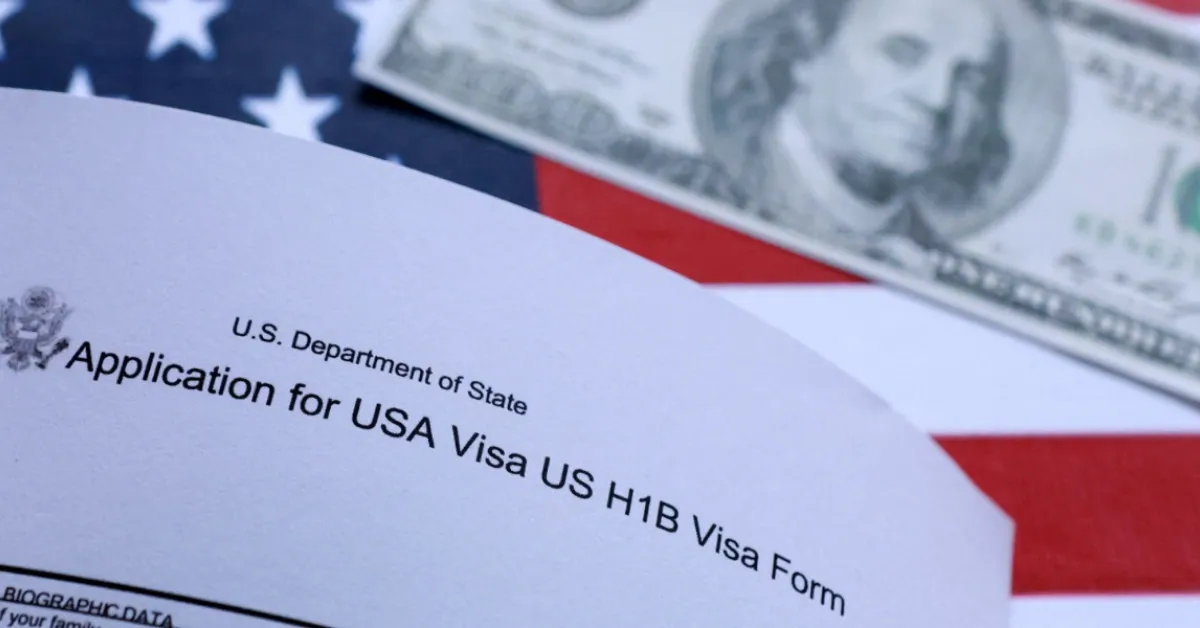
The US Department of Homeland Security has proposed a new $103,265 fee for each cap-subject H-1B visa petition, a measure that would significantly increase the cost of hiring foreign professionals.
The proposal was published in the Federal Register on 25 August and signed by the DHS Secretary. The agency says the fee would recover the costs of administering the wider immigration system, including expenses incurred by the US Citizenship and Immigration Services (USCIS), the Department of Justice, the Department of State and the Department of Labor.
DHS calculated the proposed fee by dividing a total cost pool of $8.77 billion by an estimated 85,000 paying petitioners and rounding the result to the nearest $5. The agency expects the fee to raise about $8.8 billion each year.
The revenue would be distributed among several government agencies. About one-third would go to USCIS and another third to the Justice Department’s immigration courts. Smaller portions would be allocated to Immigration and Customs Enforcement, the Department of Labor, the State Department and Customs and Border Protection.
The proposal comes as the rules governing the H-1B programme are undergoing wider changes. A separate $100,000 payment introduced by presidential proclamation in 2025 was struck down by a federal court in Massachusetts earlier this year, although the government has appealed the ruling. DHS says the proposed fee is based on different statutory authority and would not replace the $100,000 payment.
The department has also introduced a wage-based selection process for the 2027 H-1B cap season as part of broader efforts to change how applicants are selected.
The proposed fee would have limited exemptions. Universities, non-profit research organisations and government research institutions would not be required to pay it because they generally file cap-exempt petitions. Private employers, however, would face the additional charge.
DHS expects the higher cost to reduce the number of H-1B applications. The agency projects that annual filings would fall from a five-year average of nearly 97,000 to about 85,000. It argues that the reduction would encourage employers to seek foreign workers only when there is a genuine need, while protecting employment opportunities and wages for US professionals.
Economist George Borjas of the National Bureau of Economic Research has suggested that some employers may be able to absorb a fee of this size. A working paper by Borjas found that H-1B workers are typically paid about 16 per cent less than similarly qualified US-born workers. That wage difference, he argues, could give employers room to absorb higher costs without abandoning the programme.
The proposed fee could nevertheless make the H-1B programme more expensive for private companies, particularly those with fewer resources. It could also affect businesses and industries that depend on access to international skilled workers.
The proposal is currently subject to public consultation.
DHS must accept comments for 30 days after its publication in the Federal Register. The agency will then review the submissions before deciding whether to issue a final rule.