From Green Card to US Citizen: A Complete Guide to Naturalisation Eligibility

Greg Abel, the Canadian-born chief executive of Berkshire Hathaway, has become a United States citizen after taking the Oath of Allegiance at a naturalisation ceremony in Des Moines, Iowa, alongside 28 other applicants from 16 countries.
Abel, who was born in Edmonton, Alberta, became a US citizen during a ceremony held at Principal Park in Des Moines. His naturalisation follows the same legal process required of all eligible immigrants seeking American citizenship.
Naturalisation is a voluntary legal process that allows lawful permanent residents to become U.S. citizens. It begins with the submission of Form N-400, the Application for Naturalisation, and ends with the Oath of Allegiance. Applicants must meet a series of legal and residency requirements before they can qualify.
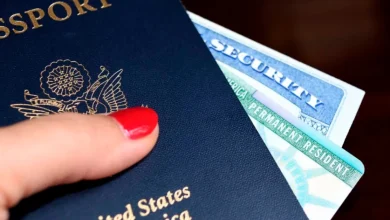
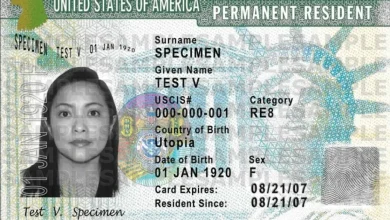
Most applicants must have held lawful permanent resident status, commonly known as a green card, for at least five years before applying. Those married to US citizens may qualify after three years.
Applicants must also be at least 18 years old and show that they have lived continuously in the United States. This includes being physically present in the country for at least 30 months during the five-year qualifying period and living for at least three months in the state or USCIS district where the application is filed.
Applicants must also demonstrate good moral character throughout the qualifying period. This includes complying with tax obligations, obeying the law and providing truthful information to government agencies. They must show an understanding of the principles of the US Constitution, have basic English language skills and pass a civics test covering U.S. history and government.
A revised version of the civics test introduced in October 2025 is now used during naturalisation interviews. Travel outside the United States can also affect eligibility. USCIS requires applicants to disclose all international trips taken during the five years before submitting their application.
Absences of more than six months may interrupt continuous residence, while trips lasting longer than one year generally restart the residency requirement. Applicants are also required to bring all current and expired passports, together with any USCIS-issued travel documents, to their interview.
Some people do not need to complete the naturalisation process. Those who acquired US citizenship through a parent before turning 18 may instead apply for a Certificate of Citizenship using Form N-600.
Naturalisation continues to play an important role in the United States. During the 2024 fiscal year, USCIS granted citizenship to 818,500 people. Although this was slightly lower than the previous year, more than 2.6 million people became US citizens over the past three fiscal years.
Becoming a US citizen also brings legal responsibilities. Men between the ages of 18 and 26 must register with the Selective Service. Citizens are also required to pay federal, state and local taxes and notify USCIS if they change their address.