Kenyans Linked to Fraud, Drug Trafficking and Sexual Offences in US ICE Database
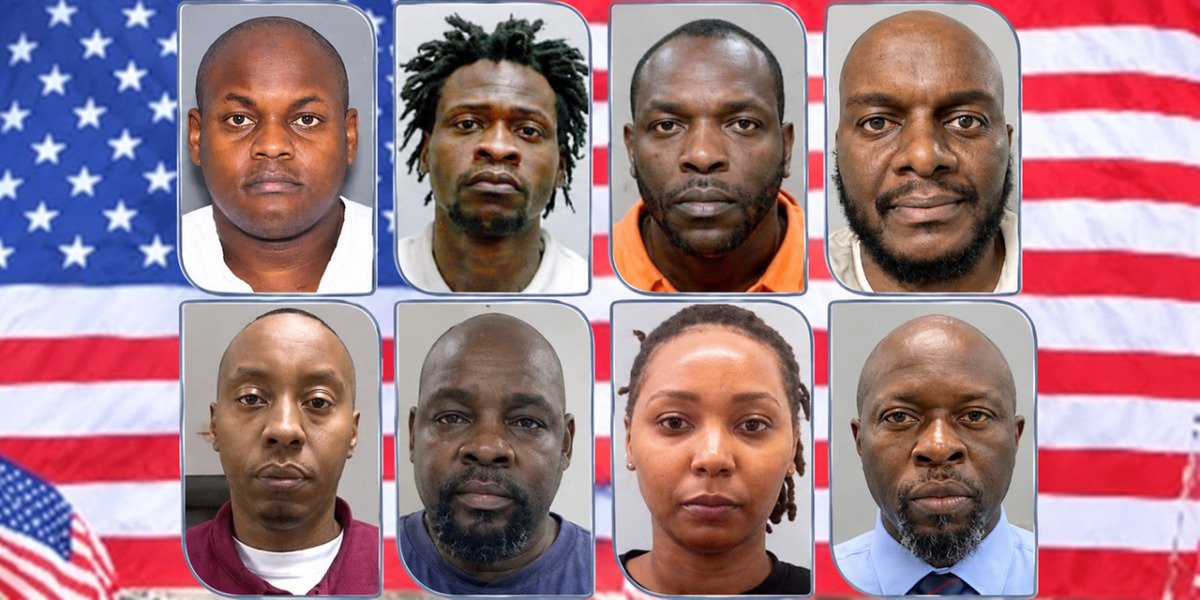
Kenyans with criminal histories involving offences ranging from fraud and drug trafficking to homicide and sexual assault have been featured in a US government database documenting immigration enforcement actions under President Donald Trump.
Among them is John Muyeka, who pleaded guilty in 2019 to concealing knowledge of a felony in connection with a fraudulent cheque scheme that resulted in more than $2 million in merchandise being obtained from American retailers. Other Kenyans identified in reporting on the database include people associated with convictions or cases involving violent crime, sexual offences, robbery, drug distribution, cheque forgery and money laundering.
The records form part of the Department of Homeland Security’s “Worst of the Worst” initiative, administered through Immigration and Customs Enforcement (ICE). The database is intended to publicise immigration arrests involving non-US citizens with criminal histories. Its entries cover people with criminal convictions as well as, in some cases, individuals accused of offences.
Muyeka’s case concerns financial fraud rather than a violent offence. According to the US Department of Justice, he and other participants targeted home improvement stores between December 2013 and February 2017, using fraudulent cheques and counterfeit driving licences to obtain high-value goods. He pleaded guilty in 2019 to one count of misprision of a felony.
Other Kenyan nationals featured in the database have been associated with substantially different allegations or convictions. Reporting by the Daily Nation has identified Osbert Owuor in connection with a homicide involving a firearm and a weapons offence.
Jackson Kabut Gichema has been reported as having a rape conviction in Maryland, while Bilali Wanjau Mohamed has been associated with drug trafficking and cocaine distribution. Newton Githiri has also appeared in the database in connection with a sexual offence and burglary convictions, according to reporting citing ICE records.
A broader enforcement strategy
The database forms part of the Trump administration’s effort to expand immigration enforcement and highlight the removal of non-citizens with criminal records. In September 2025, the Department of Homeland Security publicly promoted ICE arrests involving people convicted of serious sexual offences, describing the operations as part of the administration’s effort to remove people it considers threats to public safety.