Kenyan Green Card Winner Reveals How Addiction Threatened Her Residency
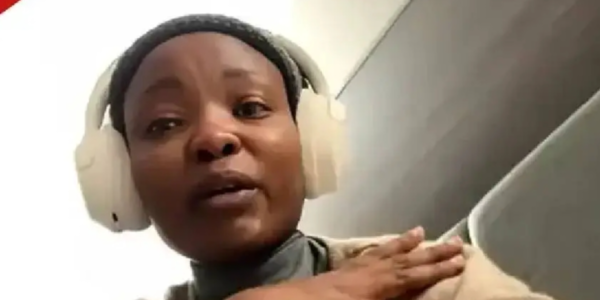
Missed immigration notices and biometric appointments during addiction treatment and homelessness have complicated the legal status of Beatrice Karanja, a Kenyan Green Card lottery winner living in Allentown, Pennsylvania.
Beatrice shared her experience in an interview with Kenyan media personality Jeremy Damaris, published on YouTube on November 26 by Kenya Diaspora Media USA. She spoke publicly after enduring nights in the cold, relying on temporary hotel stays when she could afford them, and reaching a point where she contemplated taking her own life.
“I have tried and nothing is working, so that is why I decided to come publicly and say I am not fine and I need help,” she told Damaris.
Beatrice decided to break her silence after watching an earlier broadcast by Damaris about Edward Ngero, a 24-year-old Kenyan international student currently experiencing homelessness in Tacoma, Washington. She is now working toward recovery and searching for stable housing in Allentown.
Her account points to a practical vulnerability facing immigrants in the United States. Under US immigration rules, residents and applicants must maintain updated mailing addresses with US Citizenship and Immigration Services (USCIS) and attend scheduled biometric appointments, where authorities capture fingerprints, photographs, and signatures to verify identity and conduct background checks.
When an individual enters inpatient rehabilitation, changes residences frequently, or becomes unhoused, tracking official correspondence becomes difficult. Missing a USCIS notice or failing to appear for a biometric appointment can delay applications or jeopardize legal residency status, depending on the specific case.
Prime Cabinet Secretary and Cabinet Secretary for Foreign and Diaspora Affairs Musalia Mudavadi has repeatedly urged Kenyans settling abroad to observe and respect the laws of their host countries. He has warned that failing to comply with local legal requirements can expose citizens to serious legal and personal consequences.
Beatrice arrived in Allentown in 2019 after winning the US Diversity Visa lottery, commonly known as the Green Card lottery. She traveled with her son, hoping to build a better life for her family and support the mother who raised her.
She initially found work in a warehouse, but substance dependence took hold shortly after her arrival and worsened during the COVID-19 pandemic. By December 2020, she was struggling to complete full work shifts.
In 2021, Karanja sent her son back to Kenya, expecting him to return to the United States within six months. He remains in Kenya.
As her addiction progressed, Karanja entered rehabilitation programs several times. During these periods away from a fixed address, critical USCIS notices and appointment dates passed without response.
Relationship difficulties and abuse she says she experienced compounded her instability, eventually leaving her without permanent shelter.
For Kenyans navigating US immigration procedures during personal crises, legal compliance depends on keeping communication lines open. Immigrants undergoing medical treatment or facing housing instability can designate a trusted contact or an authorized legal representative to monitor incoming mail and track deadlines.
If illness, rehabilitation, or another emergency prevents someone from attending a biometric appointment, contacting immigration authorities promptly and consulting a qualified immigration attorney can help them request a rescheduling before missed deadlines escalate into larger legal problems.