Kenyan Families Struggle to Recover Bodies of Relatives Recruited to Russia-Ukraine War
Kenyan families whose relatives were recruited into Russia’s war in Ukraine are struggling to secure the return of their loved ones’ bodies and access promised compensation.
Dozens of Kenyan men travelled to Russia after being offered employment, attractive salaries and signing bonuses. Some were assured that their families would be supported if they died. Instead, some have been killed, others remain missing, while their relatives face lengthy and unclear procedures to establish what happened to them.
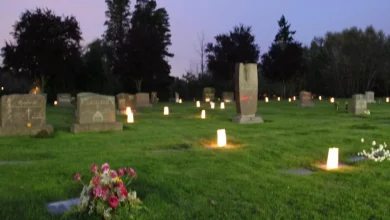
In several cases, families have held symbolic burials because they have been unable to recover the remains of relatives who died thousands of kilometres away.
Financial promises made to recruits have added to the families’ difficulties.
Returnees have described contracts offering tens of thousands of dollars, with some saying deposits were made into Russian bank accounts. They have also been told that international sanctions prevented the money from being transferred.
Some families of the dead have been approached by intermediaries promising to secure compensation worth millions of shillings. However, none of these claims has been substantiated. A civil society leader said no Kenyan family had received official compensation from Russia.
The scale of the problem remains unclear. Kenya’s State Department for Diaspora Affairs says 289 Kenyans were recruited, of whom 64 have returned home and 69 have been confirmed dead or are missing. A further 153 remain unaccounted for.
Behind those figures are families waiting for information about their relatives. Some children have been left without fathers, while mothers and other relatives struggle to support their households.
Josephine Ngoya said she only learnt that her son had joined the Russian military after seeing him wearing a military uniform during a video call. Her experience reflects the uncertainty faced by families who often have limited information about how their relatives were recruited or where they are serving.
Kenyan officials have acknowledged the difficulties involved in repatriating bodies and securing compensation. The office of the Prime Cabinet Secretary has confirmed that it is communicating with Moscow over the issue.
Foreign Affairs Minister Musalia Mudavadi secured an agreement in March that Kenyans would no longer be recruited into the Russian military. However, those who were already serving remained bound by their contracts, which Russia has insisted must be honoured.
Mudavadi has said removing Kenyans from active battlefields is difficult, particularly while they remain subject to existing contracts. The situation has also left widows and mothers seeking assistance to recover the remains of their relatives. Grace Gathoni, whose husband was the first Kenyan fatality officially confirmed, has appealed for help to bring his body home. She said her children continue to ask where their father is.
Ukraine has also raised concerns over the recruitment of foreign nationals, including Kenyans. Its ambassador in Nairobi said some foreigners were recruited under false pretences after believing they were taking civilian jobs.
The ambassador also confirmed that five Kenyan prisoners of war are being held in Ukraine.