Kenyan-Born Doctor Opens US Clinic to Help Underserved Patients in Washington
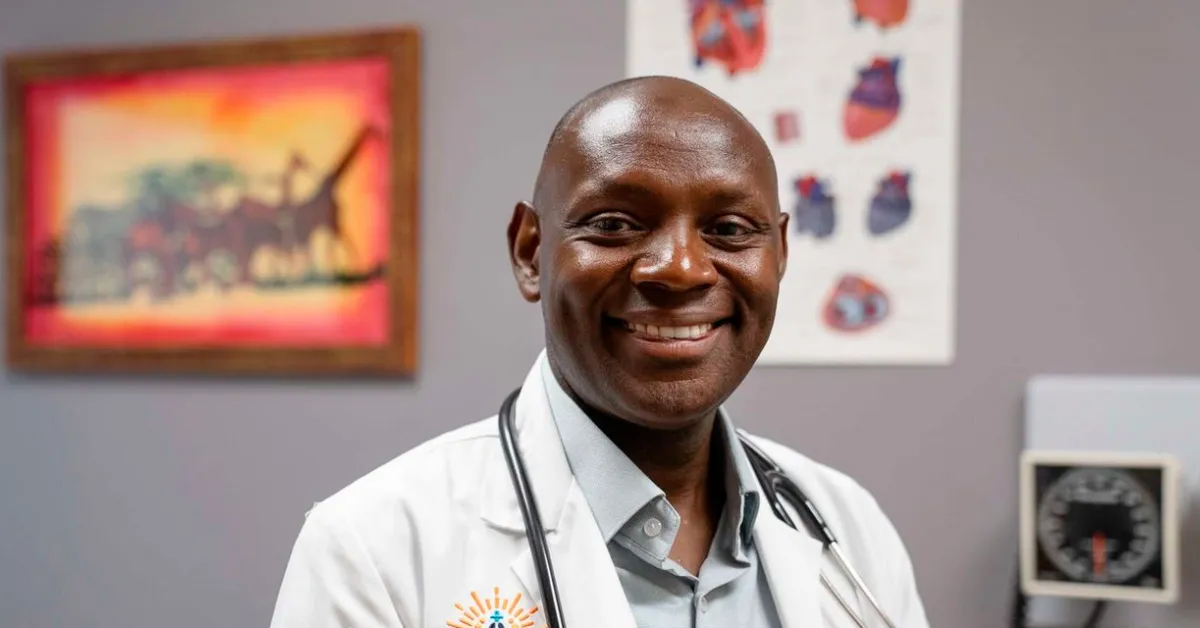
Geoffrey Mwangi, a Kenyan-born healthcare practitioner, opened Asante Health in Spokane, Washington, on 15 July 2024 to improve access to healthcare for underserved patients.
Mwangi grew up in Kagaa village near Ol Kalou, where he developed an early ambition to become a doctor. After completing high school in 2000, he applied to medical schools in Kenya and abroad while waiting for admission. He eventually received an offer from the University of Wisconsin in Green Bay, including a partial scholarship. Although he was also admitted to study medicine in Kenya as a parallel student, he chose to move to the United States.
His journey into healthcare took 14 years and included working as a caregiver, training as a nurse and pursuing advanced qualifications while raising a family. He eventually earned a Doctor of Nursing Practice (DNP) from Oregon Health and Science University.
By 2014, Mwangi was practising in Spokane, where he spent the next decade working at a local clinic. His experience there exposed him to the difficulties many patients faced in accessing healthcare, particularly those in underserved communities.
In July 2024, he established Asante Health at Spokane’s West Central Community Center. He chose the Swahili word asante, meaning “thank you”, to reflect his gratitude for the opportunity to serve the community.
Mwangi’s DNP qualification allows him to practise independently in Washington State. He can examine patients, make diagnoses, prescribe medication and manage both chronic and acute conditions.
Asante Health provides physical examinations, women’s and men’s health services, telehealth, mental health treatment and nutrition support. The clinic also manages conditions such as diabetes, hypertension and asthma, as well as common illnesses including coughs and infections.
Establishing the clinic was not straightforward. Mwangi faced a lengthy insurance credentialing process that left the practice operating for months without reimbursement. Rather than transferring those costs to patients, he waived fees when necessary and relied on grants and seed funding to maintain the clinic.
He has criticised the barriers facing small healthcare practices, saying the existing system makes it difficult to expand access to care in underserved communities. He has called for reforms to make it easier for such practices to operate.
The clinic has since expanded its patient base. From initially seeing two or three patients a day, Asante Health now receives between 10 and 15 patients daily. Mwangi allows up to an hour for each consultation, giving patients more time to discuss their concerns.
The clinic has recorded high patient satisfaction, although operating costs remain a challenge. Staff salaries, medical supplies and equipment require continued funding. Mwangi continues to waive fees for patients who cannot afford treatment.
“Health and healthcare are fundamental rights, not privileges,” he says.
Mwangi’s experience as an immigrant also influences how he works with patients. Some of those who visit the clinic speak Swahili, allowing him to communicate directly with them without relying on interpreters. He says this helps him understand their experiences, beliefs and social circumstances.
“Effective healthcare involves more than diagnosing and treating disease,” Mwangi says. “It requires listening carefully, being fully present, and creating an environment where patients feel respected and understood.”
His work also extends beyond the United States. Since 2010, Mwangi has undertaken medical missions in rural Kenya, delivering basic medicines and equipment directly to communities.
Through this work, he has observed differences between healthcare practices in the United States and Kenya. He says the US places greater emphasis on preventive care, while many people in Kenya seek treatment only after an illness has become more serious.
Mwangi now hopes to promote preventive healthcare more widely in Kenya, despite challenges including the cost of treatment and limited infrastructure. He says the values he wants to leave behind are perseverance, compassion, humility and faith.