Gachagua Warns Ruto Against Using His Name to Court Gusii Voters Ahead of 2027 Election

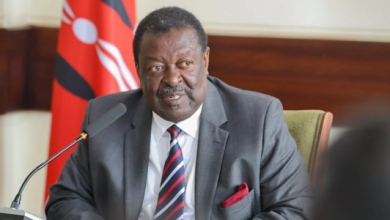
Former Deputy President Rigathi Gachagua has told President William Ruto to stop invoking his name as he courts Kenya’s Gusii region, accusing the head of state of “neglecting the Gusii region” and depending on political rhetoric and handouts to build goodwill ahead of the 2027 General Election. The broadside, reported by Nairobi-based Capital FM, is the latest chapter in a feud between two leaders who were elected on the same ticket in 2022 and have been locked in confrontation since Gachagua’s removal from office.
Gachagua’s instruction to the president was unambiguous: “Stop Using My Name to Hoodwink Gusii Voters.” In his telling, Ruto has presided over the neglect of the region and now hopes to paper over that record with promises and giveaways as the country approaches its next national vote, due in 2027, rather than a demonstrated delivery record that residents can judge for themselves.
The former deputy president ran as Ruto’s running mate in the 2022 presidential election and held the country’s second-highest office until parliament impeached and removed him in 2024, completing a rupture that transformed a governing partner into one of the administration’s most persistent critics. His remarks on Gusii fit a pattern of renewed attacks in which he has questioned both the government’s performance in office and the methods it is using to seek political support with an election on the horizon.
The Gusii region, which spans Kisii and Nyamira counties in western Kenya, is a densely populated agricultural area whose votes national politicians have long competed to win. With the 2027 contest now less than a year away, both the president’s camp and his rivals are working to secure footholds there, and Gachagua’s intervention signals that the region will be actively contested rather than conceded to the incumbent.
At the core of the dispute is a charge that has shadowed the president’s outreach efforts beyond his traditional strongholds: that handouts and rhetoric are being deployed in place of tangible development. Gachagua’s accusation of neglect puts the onus on the administration to show, before Election Day, that its engagement with the region amounts to more than campaign-period generosity, and it hands local voters a ready-made test for weighing the promises now being made to them.
The exchange also illustrates how thoroughly the 2022 alliance has unraveled. A politician who campaigned alongside Ruto four years ago as his deputy is now moving from region to region warning voters against him, and the Gusii comments indicate that his critique will extend well beyond his own political backyard into areas the president is actively wooing. Each fresh attack keeps the focus on the terms of the split between the two men and on the record of the government they once ran together.
What to watch in the coming weeks is whether Ruto responds to Gachagua by name, whether the president’s allies adjust their messaging in the Gusii region in light of the accusation, and how the coalitions taking shape for 2027 position themselves in swing areas of western Kenya. The pace of such realignments historically accelerates in the final months before a Kenyan general election, and the rivalry between the former running mates is now one of the central fault lines along which those arrangements are being negotiated.
Ruto won the presidency in 2022 and is serving his first term, which runs to the 2027 General Election. Kenya’s Constitution limits a president to two terms, meaning the vote will determine whether he returns for a second term or hands power to a successor after a single term in office.