At least 37 killed by toxic fumes during alleged petrol theft in Nigeria, reports say
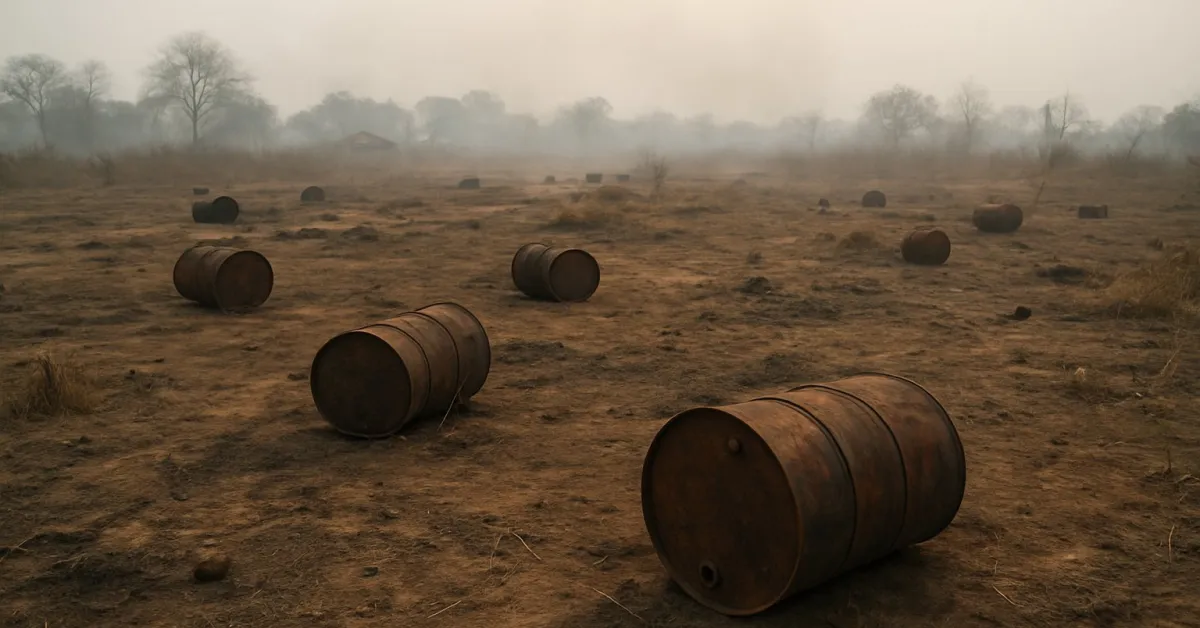
At least 37 people have died as a result of toxic fumes in an incident reportedly linked to petrol theft in Nigeria’s Rivers State. The tragedy occurred during an alleged attempt to siphon petrol from a pipeline, according to environmental groups monitoring the situation. The area, known for its crude oil production, is frequently plagued by such illegal activities, which often result in catastrophic consequences both for human life and the environment.
Rivers State, situated in the oil-rich Niger Delta region, has long been a hotspot for illegal oil activities. The practice of ‘bunkering’, or stealing crude oil from pipelines, is a widespread issue driven by widespread poverty and unemployment in the area. Local communities, often disenfranchised from the economic benefits of Nigeria’s oil wealth, sometimes resort to these dangerous practices.
Environmental groups have raised alarms over the frequent occurrence of such incidents, emphasizing the severe environmental ramifications alongside the human toll. The toxic fumes released during the illegal siphoning process not only pose immediate health risks but also contribute to long-term environmental degradation. The dense vegetation and water systems in the Niger Delta face serious pollution threats from continuous oil spills and leaks.
The deaths highlight the ongoing challenges Nigerian authorities face in securing the country’s extensive oil infrastructure. Despite efforts by the government and oil companies to curb illegal activities through increased security measures and community engagement programs, these incidents persist. Observers suggest that addressing the underlying socio-economic issues could be pivotal in reducing the frequency of such tragedies.
The incident comes amid increasing scrutiny of Nigeria’s oil sector, which remains a critical component of the country’s economy. As one of Africa’s largest oil producers, Nigeria faces mounting pressure to improve regulatory oversight and ensure that the benefits of its natural resources are more equitably distributed. The international community continues to monitor these developments, recognizing that sustainable management of oil resources in Nigeria could serve as a model for other nations facing similar challenges.