Why Trump Has Chosen to Embrace Ruto’s Leadership in Kenya
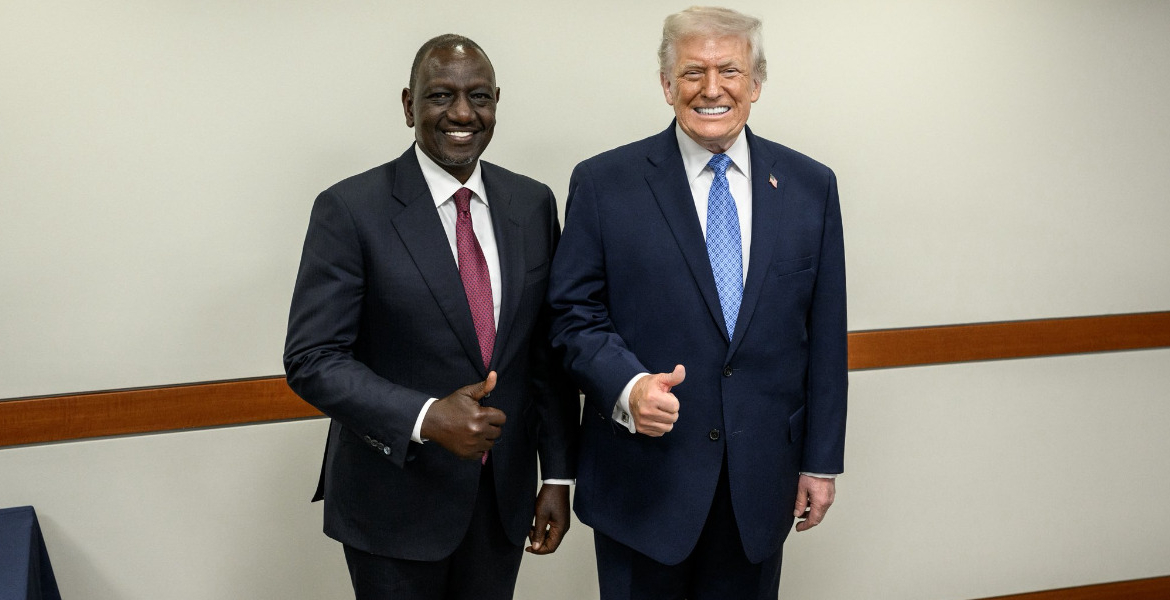
Kenya’s diplomatic relationship with the United States has shifted significantly under President Donald Trump’s second term, as President William Ruto navigates tensions between African unity, Chinese ties, and the US’s evolving strategic priorities.
Trump’s return to the White House has marked a clear break from the policies of his predecessor, Joe Biden. Biden’s administration elevated Kenya to the status of a major non-NATO ally in May 2024, a move that underscored Kenya’s importance in East Africa. However, shortly after, concerns were raised in Washington about Kenya’s growing relationship with China.
The Senate Foreign Relations Committee, led by Senator Jim Risch, warned that Kenya’s ties with Beijing might conflict with its privileged position as a US partner. Risch’s comments reflected broader US concerns about China’s increasing influence across Africa, even as Trump pursued a more isolationist “America First” agenda.
The initial months of Trump’s presidency left Kenya’s position uncertain. The resignation of US Ambassador Meg Whitman in the wake of the 2024 election created a vacuum in diplomatic relations, while a planned visit by Vice President JD Vance was cancelled due to the US’s boycott of the G20 Summit in South Africa. Kenya’s newfound status under Biden seemed at risk.
However, the situation began to change as the United States re-engaged with crises in the Democratic Republic of Congo (DRC) and Sudan. In December, Trump hosted a peace accord signing between Rwanda and the DRC in Washington, and invited Ruto, as chair of the East African Community, to lend regional legitimacy to the process.
The event provided Ruto with an opportunity to reassert Kenya’s role in regional stability and strengthen ties with Washington. In addition to the peace process, Ruto secured a significant health cooperation agreement with the US.
The deal, signed in Washington with Secretary of State Marco Rubio in attendance, commits Kenya to sharing data and samples on infectious diseases with the US in exchange for $1.6 billion in health assistance over the next five years. This agreement represents a shift in US aid policy, reflecting Trump’s preference for deals that align with American interests.
Ruto’s involvement in the DRC peace talks comes amid ongoing tensions with Kinshasa. In early 2024, the Congolese government accused Kenya of harbouring rebel groups and expelled Kenyan diplomats. The vandalism of Kenya’s embassy in Kinshasa highlighted the deep mistrust.
However, mediation by Qatar and the inclusion of Kenya as a guarantor in the peace process allowed Ruto to participate in Washington’s peace initiative, despite strained relations with DRC President Félix Tshisekedi. Trump’s framing of the DRC peace deal underscored his administration’s economic focus.
He linked stability in the DRC to opportunities for American companies to access rare earth minerals, declaring that a peaceful DRC would provide “everyone with the opportunity to make money.”