What Kenyans Need to Know Before Visiting Turkmenistan’s Darvaza Gas Crater
Kenya and Turkmenistan formalised diplomatic relations in March 2023, and held their first ministerial talks in November 2025 to discuss cooperation in energy and trade.
The agreement, signed by both countries’ permanent representatives to the United Nations in New York, established official bilateral ties after years of limited engagement. The telephone discussion between their foreign ministers two years later indicated initial efforts to move beyond formal recognition towards practical cooperation. Despite these developments, interaction remains limited, influenced by distance and differing political environments.
Turkmenistan’s approach to foreign relations reflects its historical and political background. Once an important centre along the Silk Road, it became part of the Russian Empire in the 19th century and later a Soviet republic. After gaining independence in 1991, it adopted a policy of “permanent neutrality,” recognised by the United Nations in 1995.
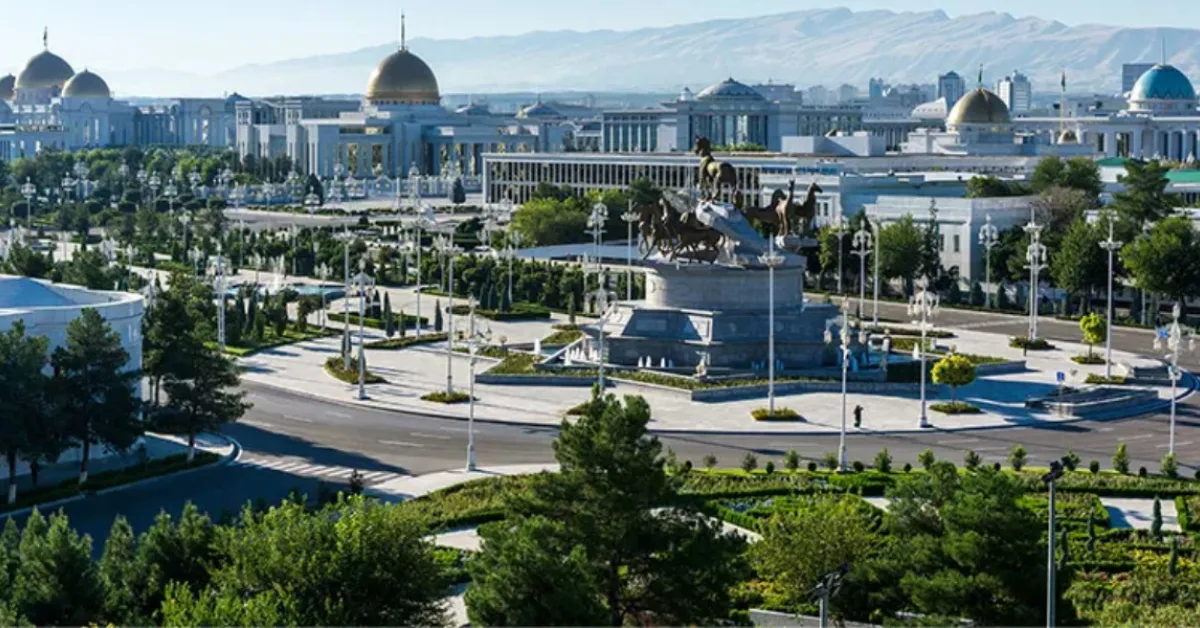
This position, alongside a highly centralised political system, has led to restricted external engagement. President Serdar Berdimuhamedow, who took office in 2022, has introduced limited reforms but maintains strict controls over borders and domestic affairs.The country’s identity is visible in its capital, Ashgabat, known for its extensive use of white marble in public buildings. The city features large monuments and structures, including the Alem Cultural Centre, which houses an indoor Ferris wheel. Beyond the capital, the Karakum Desert contains the Darvaza Gas Crater, a long-burning site created during a Soviet drilling incident in 1971.
Authorities plan to extinguish the crater by 2026 as part of efforts to conserve resources and manage international perception. Historical locations such as Merv and the Plateau of Dinosaurs also reflect Turkmenistan’s cultural and natural heritage.Turkmenistan maintains one of the world’s most restrictive visa systems. All visitors require a visa, regardless of nationality, with only limited exceptions for certain diplomatic arrangements. An electronic visa system introduced in 2025 has not significantly eased access, as most travellers still need official invitations and approved itineraries. These requirements have limited travel from countries such as Kenya.
Additional practical barriers further reduce contact. There are no direct flights between Nairobi and Ashgabat, and indirect routes through cities such as Dubai or Istanbul are expensive and time-consuming. Visa approvals can be uncertain, often depending on local sponsors. Neither country has an embassy in the other’s capital, which limits awareness and opportunities for exchange. As a result, Turkmenistan is not a common destination for Kenyan travellers.
Economic relations are modest. Kenya exports tea to Turkmenistan, while Turkmenistan supplies nitrogen-based fertilisers to Kenya. Differences in their economic structures, agriculture in Kenya and energy production in Turkmenistan, have constrained trade growth. However, Turkmenistan’s large natural gas reserves and location in Central Asia give it broader strategic importance.