Vaping Linked to Mouth and Lung Cancer, Study Finds
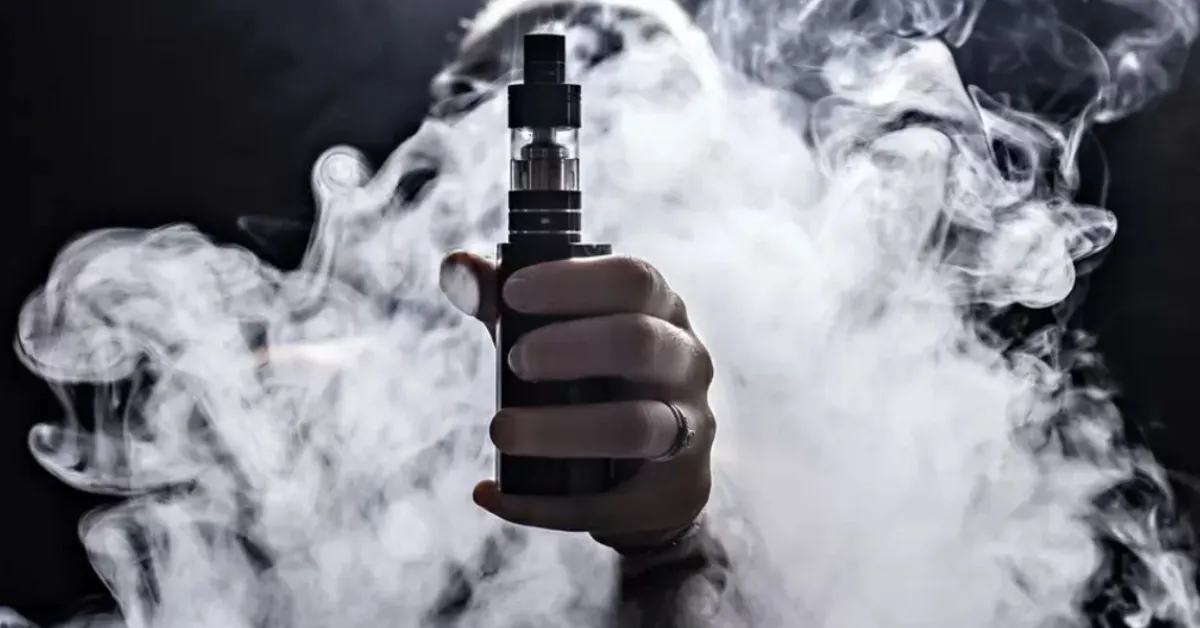
A recent review of studies conducted between 2017 and mid-2025 concludes that electronic cigarettes are likely to cause cancers of the mouth and lungs.
The analysis examined biological changes associated with cancer development, rather than treating vaping primarily as a gateway to smoking. Researchers found that the aerosol inhaled from e-cigarettes contains nicotine, its breakdown products, metals released from heating elements, and organic compounds from e-liquids.
Many of these substances display nearly all of the “key characteristics of carcinogens” identified by the World Health Organization. Biological samples confirmed that vapers absorb these chemicals, while tissue studies revealed DNA mutations and molecular changes linked to cancer.
Evidence from animal studies supports these findings. Experiments on mice exposed to vape aerosols showed the development of lung cancer, while dentists reported suspected cases of oral cancer in patients who had never smoked but regularly used e-cigarettes.
Biomarker analysis also indicated inflammation and oxidative stress in mouth and lung tissue, which are early indicators of tumour formation. Scientific opinion on vaping has shifted in recent years.
Studies published between 2017 and 2019 often concluded that evidence was insufficient to link vaping directly to cancer. By 2024 and 2025, however, many researchers argued that e-cigarettes are unlikely to carry a substantially lower cancer risk than tobacco.
The review notes that definitive proof of vaping-related cancer in humans remains limited. Long-term studies tracking populations who vape exclusively, without using tobacco, will be needed to establish clear causation. Historical experience with tobacco suggests such research could take decades.