USCIS Cuts Validity of Work Permits From 5 Years to 18 Months for Many Immigrants
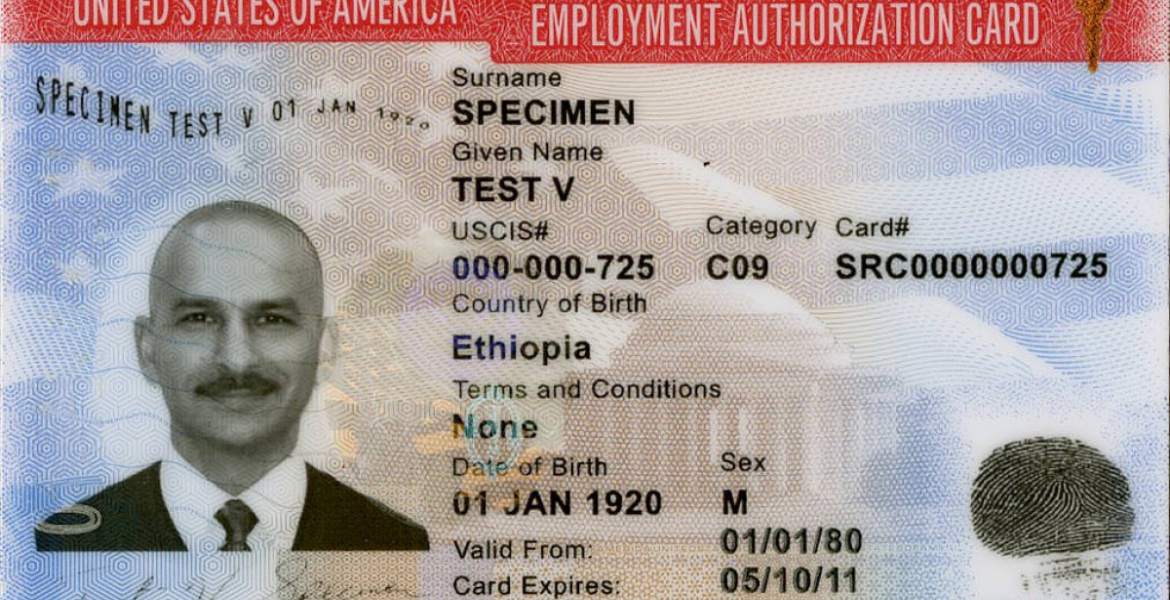
The U.S. government has sharply revised its immigration policy, shortening how long certain work permits remain valid for noncitizens. On December 4, 2025, USCIS announced that Employment Authorization Documents (EADs) for many immigrants will now expire after just 18 months — down significantly from the previous five-year validity period.
The change applies to a wide range of categories, including refugees, asylum-seekers, individuals granted withholding of removal, and those with pending adjustment-of-status or humanitarian relief applications.
USCIS Director Joseph Edlow defended the move, citing national security and public-safety concerns. “Reducing the maximum validity period for employment authorization will ensure that those seeking to work in the United States do not threaten public safety or promote harmful anti-American ideologies,” he said, referencing a recent attack on National Guard members in the capital.
What the Change Means
Under the new rule, any EAD filed or pending as of December 5, 2025, will automatically receive the shorter 18-month validity. For people already holding five-year permits, those will remain valid until their listed expiration date — but future renewals or new applications will fall under the new standard.
Immigration attorneys warn this could create major disruptions: more frequent renewals, increased paperwork, higher costs, and greater risk of employment interruptions — especially for those awaiting longer-term status decisions like green cards.
For many refugees, asylum-seekers, and other vulnerable immigrants, the shorter validity could also increase stress and uncertainty. Employers in sectors relying on immigrant labor — such as agriculture, food processing, and services — may face shortages or turnover as workers grapple with more frequent renewals.
Background — What Changed and Why Now
USCIS originally expanded EAD validity to five years under the prior administration to reduce renewal burdens and help immigrants maintain stability while their status was processed. That policy was adopted in 2023.
But in the wake of a recent violent incident — an attack on National Guard members allegedly by a migrant admitted under the older policy — the agency says the risk of identity fraud and potential security threats is too high to maintain such long permit durations. The new 18-month limit, officials argue, allows for more frequent background checks and better monitoring.
What Advocates Are Saying
Immigrant-rights groups have reacted swiftly with concern. Some warn the change will lead to “administrative limbo” for those already waiting years for status resolution. Others argue it undermines trust in a system meant to integrate vulnerable individuals seeking refuge or asylum in the United States.
Critics also caution that shorter EAD validity periods may cause workforce instability — particularly in industries dependent on immigrant labor — and make it harder for workers to plan long-term, support families, or invest in education or housing.
What Immigrants Should Do Now
USCIS urges those affected to carefully track their EAD expiration dates and submit renewal applications well in advance to avoid work authorization gaps. The agency has also said it will continue to vet applicants, including background checks and security screenings — now on a tighter schedule.
For those awaiting green cards or resolution of asylum claims, the impact could be significant. Legal experts recommend consulting with immigration attorneys or accredited legal services to plan accordingly.
The move marks a major shift in U.S. immigration policy — one that could reshape the labor force, impact immigrant communities, and reverberate across industries in the years ahead.