US Military Conducts Christmas Day Strike on ISIS Targets in Nigeria
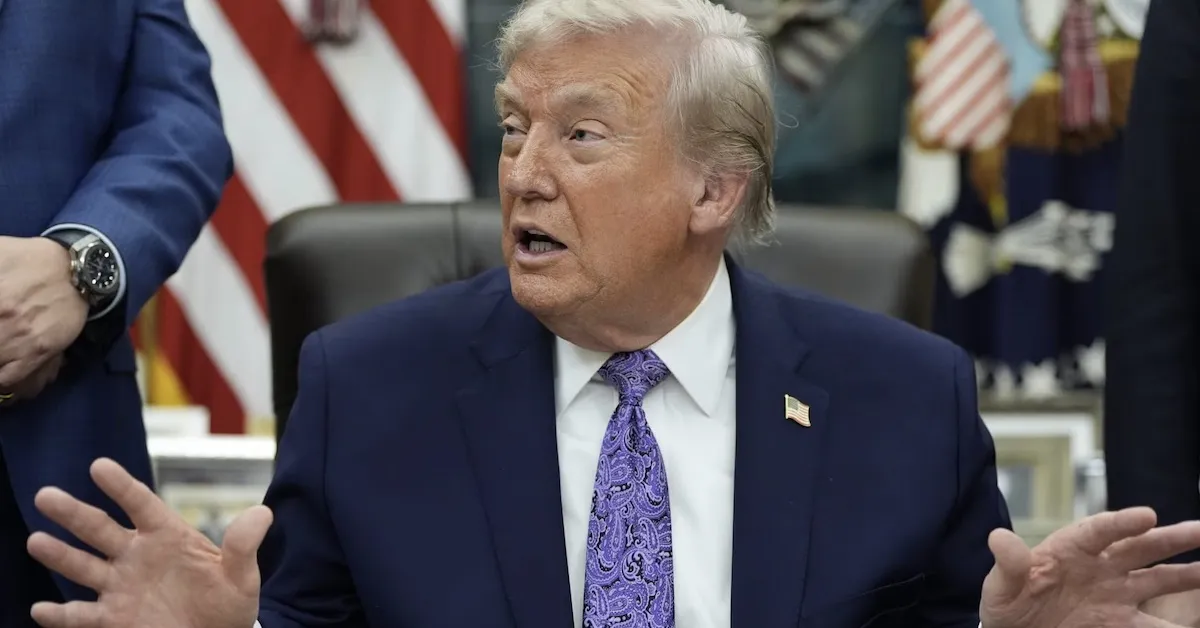
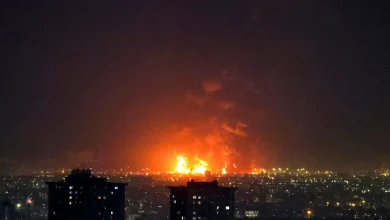
The United States carried out a significant military strike against Islamic State (ISIS) militants in northwest Nigeria on Christmas Day, President Donald Trump announced Thursday night. Speaking from his Mar-a-Lago residence, Trump said the operation was ordered “at my direction as Commander in Chief” and described the action as a “powerful and deadly strike” aimed at extremist fighters he accused of “targeting and viciously killing, primarily, innocent Christians” at unprecedented levels. Trump made the announcement in a post on his social media platform, where he also vowed that the US will not allow “Radical Islamic Terrorism to prosper,” and added “May God Bless our Military, and MERRY CHRISTMAS to all, including the dead terrorists.”
US Africa Command confirmed in social media posts that the strikes were conducted in Sokoto State and indicated that they followed a request from Nigerian authorities, resulting in the deaths of multiple ISIS militants. Defense Secretary Pete Hegseth echoed Trump’s statements, saying US forces stand ready and hinting that further operations could follow. Details on the exact targets and the broader impact of the strike, including any civilian casualties or strategic outcomes, have not yet been released by the Pentagon.
The Christmas Day operation marks a notable escalation in US engagement in West Africa amid growing concerns from the Trump administration over violence in Nigeria. In recent weeks, Trump had publicly criticized the Nigerian government for what he described as a failure to stop attacks on Christian communities, even directing the Pentagon to plan possible military action. The US State Department also recently designated Nigeria a “country of particular concern” under the International Religious Freedom Act and imposed visa restrictions on individuals linked to mass violence.
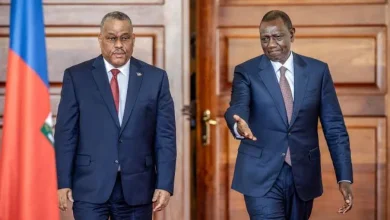
Nigerian officials have welcomed cooperation on security but pushed back against the framing of the conflict as religiously one-sided. The government emphasized that extremist violence affects people of all faiths and noted the complex mix of insurgency, communal clashes, and criminal activity driving insecurity in the country. Independent analysts also say that while atrocities against civilians have been severe, Nigeria’s security challenges extend beyond a single group or motive, complicating narratives focused solely on religious persecution.
The US military presence in Africa has shrunk in recent years, making direct action in Nigeria a noteworthy shift under Trump’s renewed administration. As global reactions continue to unfold and more details emerge, the strike is likely to fuel debate over both US foreign policy and the situation on the ground in Africa’s most populous nation.