Trump Moves to Slash ICE Body‑Camera Funding and Reduce Oversight
Two American citizens were shot dead by federal immigration officers in January, intensifying demands for greater accountability within the agencies.
The most recent case involved intensive care nurse Alex Pretti, who was killed in Minneapolis. Video footage recorded by bystanders contradicted official claims that protesters acted aggressively, highlighting the role of independent recordings in challenging government accounts.
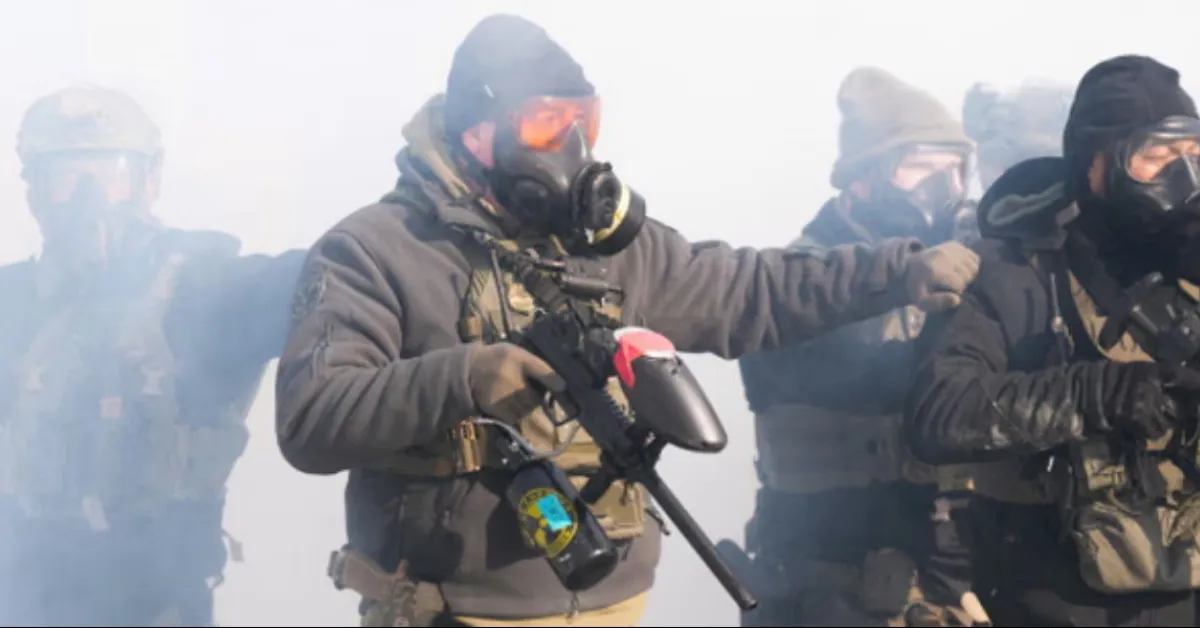
Earlier in the month, Renee Nicole Good was also fatally shot by an ICE officer, raising similar questions over transparency and responsibility. Body-worn cameras have been promoted as a key tool for monitoring police conduct, but immigration authorities have resisted widespread adoption.
A pilot programme launched under President Biden in 2024 placed cameras in five cities, yet former ICE field director Darius Reeves said the initiative collapsed after Trump returned to office. The administration later asked Congress to reduce funding by three-quarters, retaining existing devices but cutting staff from 22 to just three.
At the time of Pretti’s death, at least three border patrol agents were equipped with cameras, though it remains unclear whether they were switched on. This uncertainty has prompted criticism from Democratic lawmakers, some of whom are considering blocking Department of Homeland Security (DHS) funding unless stricter rules are introduced.
Customs and Border Protection currently holds 13,400 cameras for a workforce of about 45,000, while ICE has around 4,200 cameras for 22,000 officers. The debate over cameras coincides with a wider reduction in oversight. In early 2025, the administration placed about 300 staff from three DHS watchdog offices on paid leave, weakening the agencies responsible for investigating misconduct.
The Office of the Immigration Detention Ombudsman, which had more than 100 employees in March, was reduced to only five by December. Complaints to the office fell sharply, from over 11,000 in 2023 to fewer than 300 in the second half of 2025. Civil rights groups and Democratic legislators argue that the move unlawfully removed oversight powers reserved for Congress.
The administration has defended its approach, with White House spokesperson Abigail Jackson describing ICE officers as acting “heroically to enforce the law and protect American communities.” Critics, however, warn that stronger enforcement powers combined with reduced transparency and weakened oversight create conditions for potential abuse.
Political divisions are deepening. The Republican-controlled House recently approved $20 million for immigration agencies to maintain and expand camera programmes, but the measure does not require their use. Its future in the Senate remains uncertain, with Democratic opposition hardening after Pretti’s death.