This Week in Immigration: Key Updates for April 10, 2026
A new executive order on voter eligibility verification is placing naturalised citizens under heightened scrutiny, with court challenges likely to delay implementation until after the 2026 midterm elections.
The measure highlights ongoing discrepancies between federal and state records, which can affect individuals who have recently acquired citizenship. Legal experts advise reviewing Social Security and voter registration information in advance to reduce the risk of administrative complications.
Immigration processes are also changing. The K-1 fiancé visa, used by couples planning to marry in the United States, now has updated guidance for 2026.
Average processing times range from eight to eleven months, although specific embassies may experience longer delays. Rising fees and stricter documentation requirements continue to complicate applications, and immigration lawyers caution that errors can significantly delay approval.
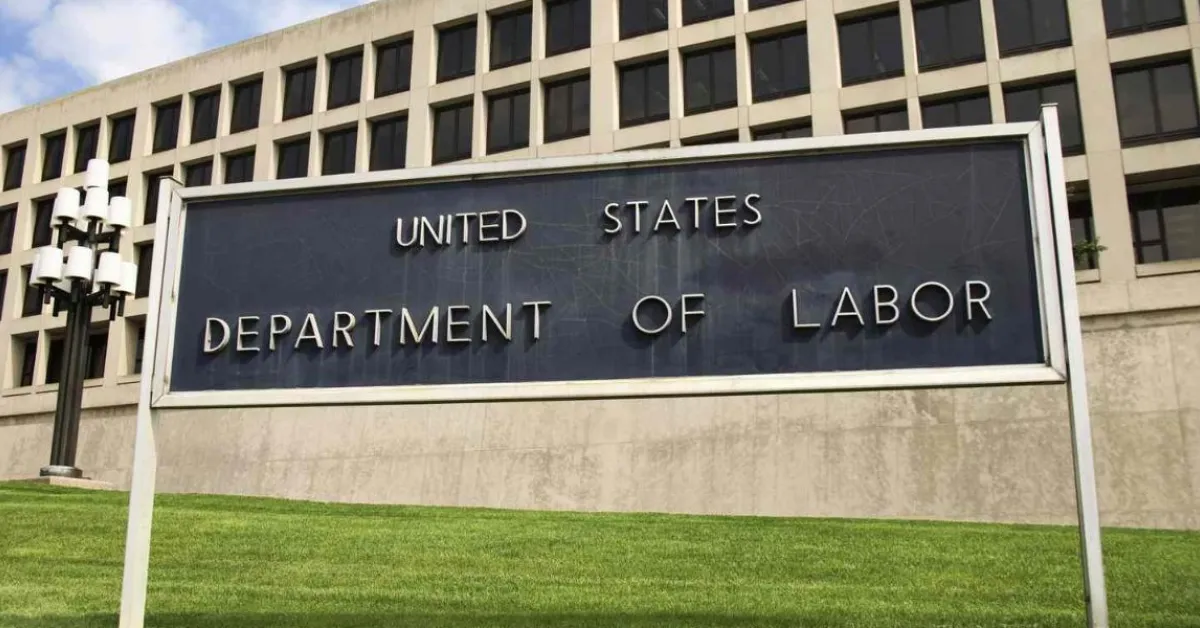
Comparative tools are available to help applicants determine whether the fiancé visa or another category best fits their situation. Oversight of the H-1B visa programme has intensified. The Department of Labour reports a near 50 per cent increase in investigations since the launch of “Project Firewall,” which uses site visits, inter-agency data sharing, and artificial intelligence to detect irregularities.
Employers are warned that even minor filing errors may trigger detailed reviews, increasing compliance risks in a sector already under pressure. Temporary Protected Status (TPS) for Ethiopian nationals has been maintained following a federal court ruling in Massachusetts.
The judge blocked the administration’s attempt to end protections, citing improper procedural steps. The decision allows thousands of Ethiopians to remain in the United States temporarily, representing a broader judicial check on efforts to reduce TPS designations.
Refugee admissions have shifted sharply. Since October 2025, nearly all of the 4,499 refugees admitted to the United States have been South Africans, with only three from Afghanistan. The policy prioritises Afrikaners, a white minority group, though the South African government disputes claims of discrimination and has raised diplomatic concerns.