Things to Know Before Applying for US Citizenship
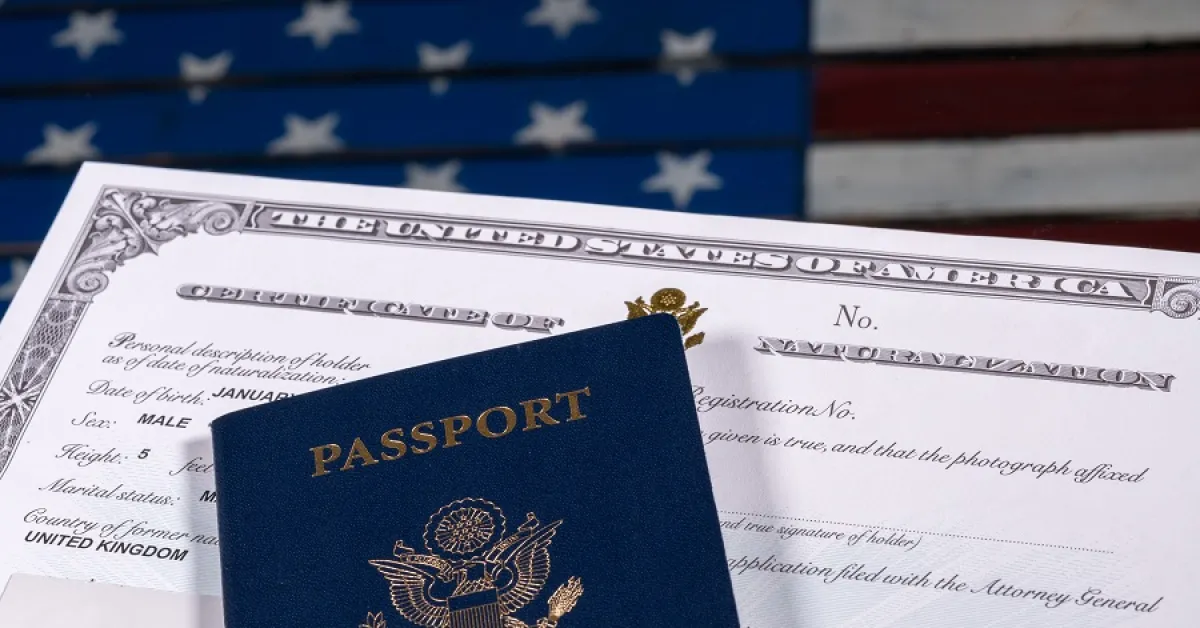
Applying for US citizenship is a major step that brings both opportunities and responsibilities. Before submitting your application, it’s important to understand eligibility requirements, the application process, testing expectations, financial obligations, and recent policy updates.
Eligibility Requirements
Before applying, ensure you meet the legal requirements:
- Residency Duration: Most permanent residents must have a green card for at least five years before applying for U.S. citizenship. If you are married to a U.S. citizen, this requirement is reduced to three years, provided you have lived with your spouse for the duration.Certain exceptions apply:
- U.S. Military Service: Members of the U.S. armed forces and certain veterans may be eligible to apply after just 1 year of honorable service, even if they have not yet held a green card for the full five years.
- Employment-Based Green Card Holders: Some individuals who obtained permanent residency through U.S. government employment or service abroad may have shorter continuous residence requirements.
- Absences from the U.S.: Any extended time spent outside the U.S. (typically 6 months or more) can break the continuous residence requirement, unless exceptions apply for military or government-related service.
- Good Moral Character: Applicants must demonstrate honesty, lawfulness, and integrity. Any serious criminal history or misrepresentation can affect approval.
- Physical Presence: You must be physically present in the US for a minimum number of days and maintain ties to your community. Long absences from the US can interrupt the continuous residence requirement.
Application Process
The citizenship application involves careful preparation:
- Form N‑400: File this USCIS form accurately, including all supporting documents and fees. Incomplete or incorrect forms can delay your application.
- Background Checks: USCIS reviews your criminal, immigration, and tax history. Ensure your records are complete and accurate (READ: US Reinstates Neighborhood Checks for Citizenship Applicants).
- Interviews and Vetting: Expect fingerprinting, background checks, and in-person interviews.
Citizenship Test
Applicants must pass a test evaluating English and civics knowledge:
- English Skills: Reading, writing, and speaking proficiency are tested.
- Civics Knowledge: Questions cover U.S. history, government structure, and democratic principles. USCIS has recently updated the test to include more comprehensive civics questions (READ: USCIS to Launch Revised US Citizenship Civics Test in October 2025).
Financial and Legal Considerations
Financial transparency and legal compliance are essential:
- Application Fees: Be prepared to pay the N‑400 filing fee and associated costs.
- Taxes: USCIS reviews your tax compliance as part of the good moral character assessment.
- Legal Advice: Consider consulting an immigration lawyer if your situation involves prior legal issues.
Policy and Legal Updates
Stay informed about recent policy changes that could affect citizenship:
- Birthright Citizenship: Proposed changes could impact children born in the US to non-citizen parents.
- Revocation of Citizenship: Naturalized citizens may face legal challenges if information was misrepresented in their application or if serious criminal matters occur.
Responsibilities and Benefits of US Citizenship
Naturalization comes with rights and responsibilities:
- Voting Rights: Full participation in federal, state, and local elections.
- Jury Duty: Citizens are required to serve if called.
- Legal Compliance: Citizens must obey US laws and report global income for taxation.
- Federal Jobs: Eligibility for government and security-sensitive positions.
US citizenship is a significant milestone, granting legal rights, protection, and opportunities. Proper preparation, awareness of eligibility, and understanding the legal, financial, and policy considerations are crucial to ensure a smooth and successful application.