Thika on the Brink of City Status
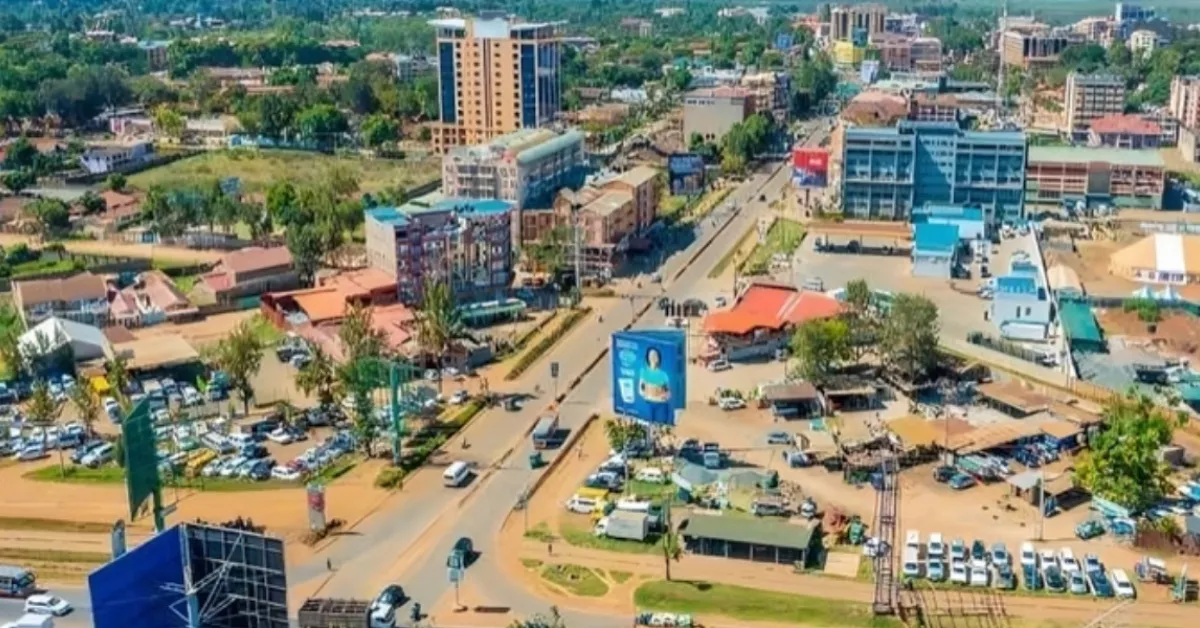
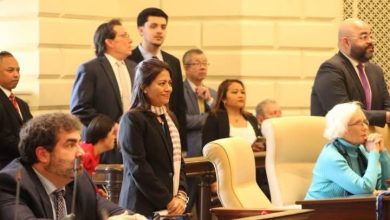
The Senate will hold public hearings on Friday to collect residents’ views on a proposal to grant Thika city status.
The session, organised by the Senate Standing Committee on Devolution and Intergovernmental Relations at the Thika Municipal Chambers, is among the final steps before a recommendation is submitted to the President. The proposal has been led by Kiambu Governor Kimani Wamatangi, who says Thika’s industrial base, infrastructure and population growth justify its elevation.
He cites the town’s established manufacturing sector, network of higher education institutions and strategic location as evidence of its readiness to function as a modern urban economy. He expressed confidence that the Senate would approve the request.
Business leaders and industrial representatives have also backed the plan. Maina Ruo, chief executive of Thika Coffee Mills and a representative of the Kenya Association of Manufacturers, said Thika has long been one of the country’s leading industrial centres.
He said that city status would attract new investment and create jobs, and called for infrastructure improvements, including the expansion of Garissa Road to reduce congestion. Bimal Shah, managing director of Broadways Bakeries, supported the proposal, referring to Thika’s history as a textile centre and its current strength in flour milling.
He said the county government had created a supportive investment climate and argued that city designation would strengthen Thika’s international profile.
County officials have outlined projects intended to support the transition. Susan Gatwiri, County Executive Committee Member for Lands and Planning, said more than 700 acres of land surrendered by fruit processor Del Monte have been set aside for development.
Plans include a 324-acre Export Processing Zone, hospitals, improved transport links and other facilities aimed at supporting industrial growth. Martin Kangiri, the municipal chief officer, detailed infrastructure programmes funded through public resources, partnerships and international donors.
These include World Bank-supported projects to improve transport systems, street lighting and non-motorised infrastructure, as well as settlement upgrading in areas such as Kiandutu and Kiang’ombe. He added that water supply capacity is being increased by 50,000 cubic metres to meet rising demand.