The ‘Talking’ Doors of Lamu: Centuries-Old Craft Selling for Half a Million Shillings
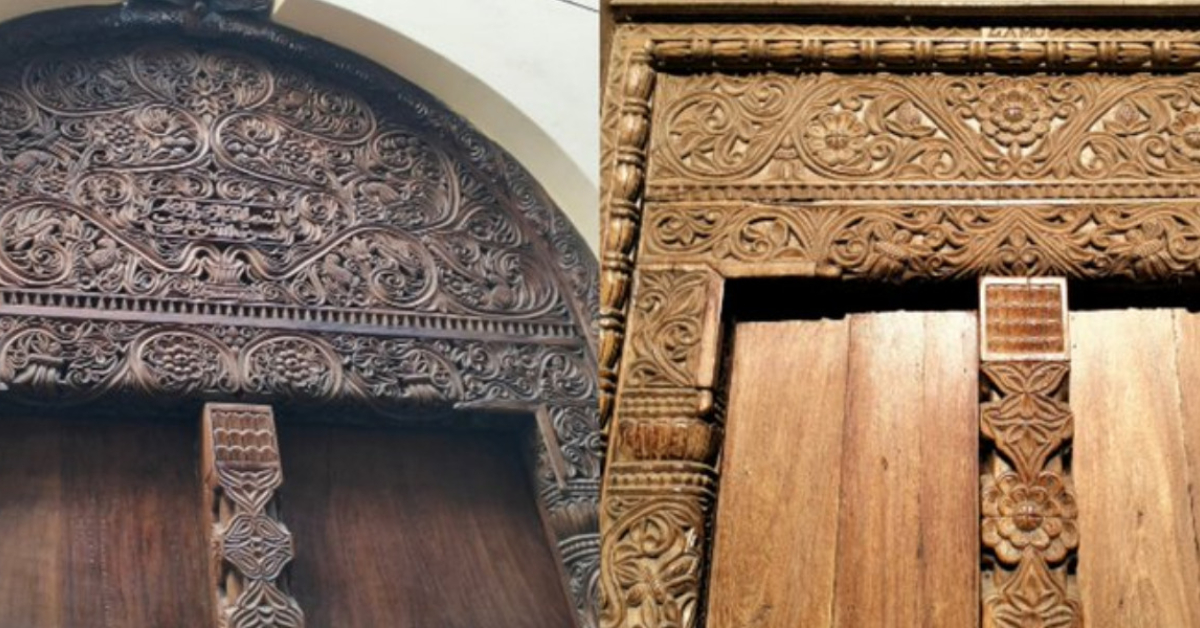
Carved wooden doors in Lamu’s Old Town are more than just architectural features; they are vital symbols of cultural heritage, artistry, and social standing along the Swahili Coast.
These intricate doors, often seen as “talking doors,” embody the rich history and craftsmanship of the region, reflecting its diverse cultural influences. Master carver Ali Abdalla Skanda, whose family has long been a key part of Lamu’s artisan community, continues the tradition of producing these ornate wooden entrances.
His work, rooted in the legacy of his father, Abdalla Ali Skanda, a renowned artisan, contributes to preserving a craft that dates back centuries. Skanda’s workshop in Wiyoni is filled daily with the sounds of chisels carving through mahogany, a process that requires immense skill and patience.
The design of Lamu’s carved doors is influenced by a variety of cultural and religious traditions. These doors often feature elaborate geometric and floral motifs, many of which are inspired by Islamic art. Arabic inscriptions are typically carved into the wood, believed to protect the home from misfortune.
The door’s size and ornamentation are also indicators of the owner’s wealth and social status. The carving tradition stretches across the Swahili Coast, with at least eight recognised styles found in Lamu alone. These include local designs such as the Lamu and Siyu styles, as well as influences from Oman, Gujarat, Zanzibar, and further afield.
The Kijumwa style, developed by Lamu-born artisan Ahmed Abubakar Omar Kijumwa, remains particularly popular among contemporary carvers. Creating a single carved door can take up to two months, depending on the design and materials used. Prices vary, ranging from KSh120,000 to KSh500,000, with teak, mahogany, and ebony being the most commonly used timbers.
Some doors also feature intricate brass spikes or reinforced locking mechanisms, adding further complexity to the craft. Despite the growth of modern construction and architectural changes in coastal towns, Lamu’s artisans remain committed to preserving this traditional craft.