THE CARDINAL WHO CHOSE SILENCE: JOHN NJUE AND THE COLLAPSE OF MORAL COURAGE
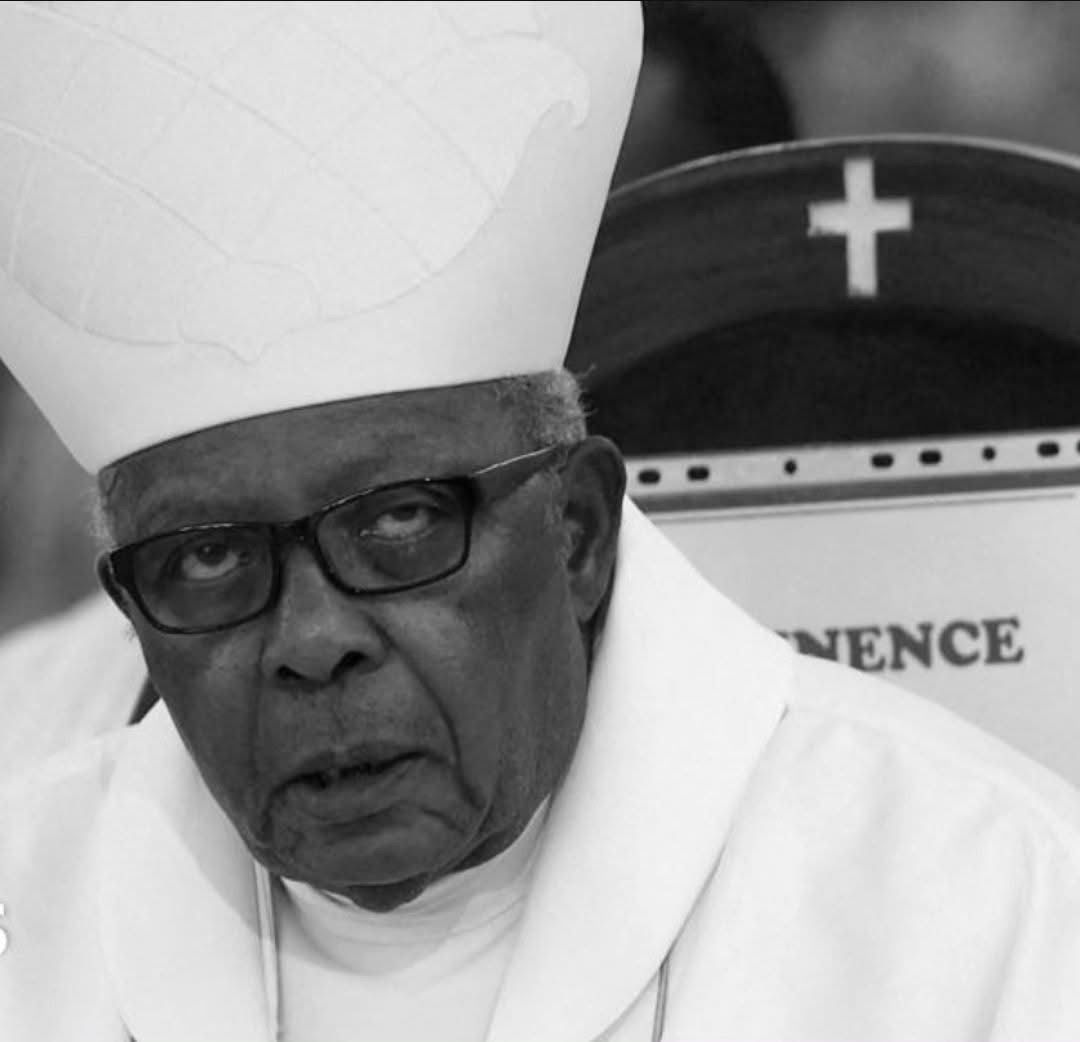
Cardinal John Njue’s story, when stripped of incense and protocol, is a brutal lesson in how power can mute prophecy. His public life is not only a story of clerical ascent but also one marked by heavy silences, institutional missteps, and controversies that followed him like a stubborn shadow.
He did not fail because he was ignorant. He failed because he knew — and chose restraint over resistance.
He ascended to the summit of the Catholic Church in Kenya at a time when the nation was bleeding. The church had moral capital, history, and numbers. It could shake the state. Under Njue, it did not. Instead, it folded into itself, preferring whispered prayers to public confrontation. When Kenya descended into the inferno of the 2007–2008 post-election violence, the moment demanded a cardinal who would thunder against injustice, name perpetrators, and shame the architects of bloodshed. Njue offered balance. Balance in a burning house is betrayal.
This was his first and greatest miss: silence dressed up as neutrality.
While bodies lay in churches and camps swelled with the displaced, the head of the largest Christian flock in the country spoke cautiously, late, and without the fire that history demands of religious leaders in moments of moral collapse. While blood was being spilled and institutions were collapsing, his interventions were measured, delayed, and often couched in clerical generalities about peace and prayer. Other clerics stepped into the vacuum. Civil society spoke louder than the Church. Njue watched the moment pass — and with it, the Church’s claim to be the nation’s conscience.
Then came the messes, internal and self-inflicted.
Njue ruled the Archdiocese of Nairobi not as a shepherd among sheep, but as a distant administrator. Clergy morale deteriorated. Priests complained — quietly, fearfully — of arbitrary transfers, poor consultation, and a leadership style that punished dissent rather than engaged it. The Church became hierarchical in the worst sense: obedience over dialogue, order over justice. A generation of young priests and lay Catholics learned that survival required silence, not truth.
On matters of social reform—LGBTQ+ rights, reproductive health, and divorce—he remained inflexible, tone-deaf to the evolving realities of Kenyan society. Accusations of slow responses to clerical abuse scandals and opaque financial management compounded public frustration, painting a picture of a leader more comfortable defending doctrine and institution than confronting moral crises head-on.
His handling of reform was disastrous.
As Kenyans demanded transparency and accountability from all institutions, the Church under Njue remained stubbornly opaque. Questions about finances, governance, and pastoral direction were met with clerical defensiveness. The institution that preached moral clarity to politicians could not tolerate scrutiny of its own house.
The controversies sealed his reputation.
Njue was widely perceived — and never convincingly disproved it — as being comfortable with power. Too comfortable. During the Kibaki presidency, when questions of legitimacy, corruption, and state violence hung heavy in the air, the cardinal’s proximity to the political establishment poisoned the Church’s credibility. When he spoke, many heard not the voice of the Gospel, but the careful language of accommodation. The altar appeared dangerously close to the throne.
Even within the Church, his relationship with fellow bishops and clergy was sometimes strained, feeding narratives of isolation at the very top. His leadership style bred distance, not loyalty. By the time age and pressure pushed him into retirement, there was no great outpouring of gratitude, no thunderous farewell. His departure was quiet — the kind reserved not for towering shepherds, but for administrators whose time simply expired.
And yet, his presence in 2008, as much as it drew outrage, also helped stabilize the nation’s fraying political order. The weight of the Church, wielded ambiguously, nudged opposing factions toward dialogue and, eventually, the power-sharing agreement. But history remembers Njue not for courage, but for calculating prudence—an authority that stopped short of justice, a shepherd who chose institutional safety over the roar of moral clarity.
Cardinal Njue’s legacy in the 2007–2008 crisis is a study in contradictions: a man of faith caught between conscience and expedience, whose moral authority both calmed a nation and betrayed its demands for justice. In the annals of Kenya’s political history, he stands not as a hero, but as a figure whose prudence saved lives yet left a trail of ethical ambiguity and fractured trust.
In the final accounting, Cardinal John Njue’s tragedy is not scandal but timidity.
He held immense spiritual authority at a moment when Kenya needed fearless moral leadership. He chose caution. He chose order. He chose silence when noise was required. And in doing so, he presided over one of the most consequential moral withdrawals of the Kenyan Catholic Church.
History is unforgiving to leaders who confuse peace with justice.
Njue will be remembered not for what he did wrong, but for what he refused to do when it mattered most.