Texas Suspends New H-1B Visa Applications Across State Institutions
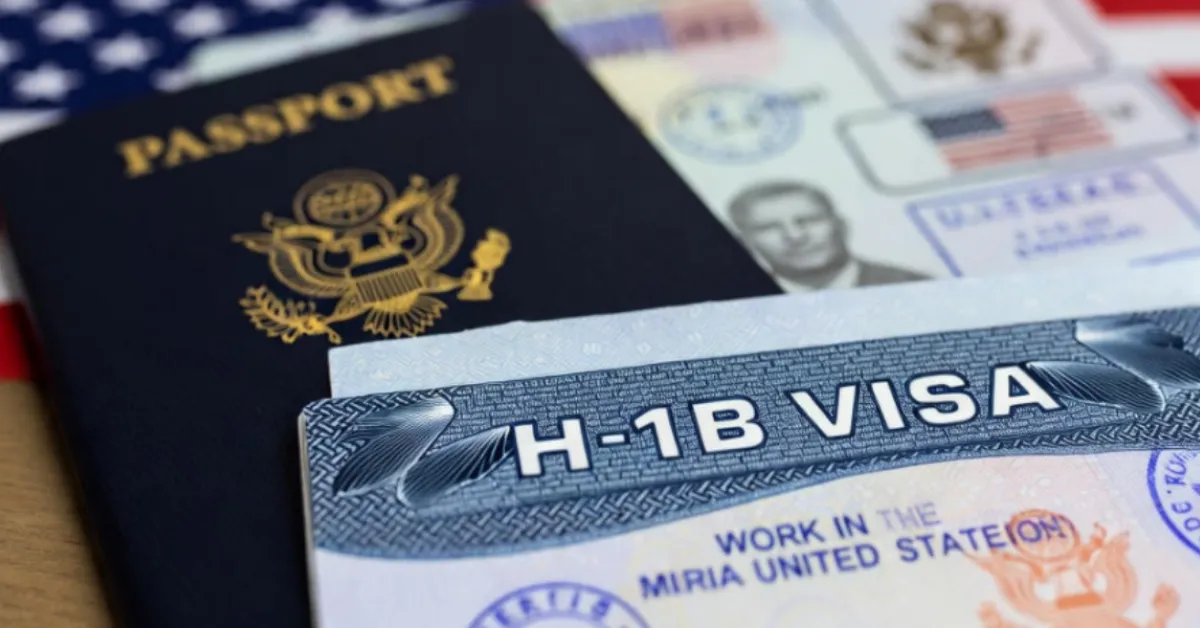
Texas Governor Greg Abbott has ordered state agencies and public universities to suspend new H-1B visa petitions, citing the need to prioritise employment for Texans in publicly funded roles.
Under a directive issued this week, all state bodies and public institutions of higher education must halt new applications under the federal H-1B visa programme unless they receive explicit approval from the Texas Workforce Commission. The suspension will remain in place until May 2027.
Abbott said the measure is intended to ensure that jobs supported by taxpayers are offered first to qualified Texas residents. He pointed to reported cases in which employers have used the H-1B programme to bypass domestic candidates, sometimes by hiring foreign workers at lower wages.
State government, he said, should “lead by example” in protecting local employment. The governor linked the decision to broader federal scrutiny of the H-1B system. He referred to President Trump’s proclamation restricting entry for certain non-immigrant workers, which stated that the programme was meant to supplement the US workforce rather than replace it.
Abbott argued that some employers have used the visa to displace American workers, contrary to its original purpose of attracting highly specialised talent.
Abbott also highlighted Texas’s recent investment in workforce development. He noted that the state committed $5 billion in 2023 to modernise higher education and vocational training, followed by additional funding in 2025 to expand workforce services and align training with labour market needs.
These efforts, he said, have reduced the need for state institutions to rely on foreign labour. The directive sets out detailed reporting requirements. By March 2026, state agencies and public universities must submit reports on their current use of H-1B visas. These must include the number of petitions filed in 2025, the total number of sponsored workers, their countries of origin, job categories, visa expiry dates, and evidence that qualified Texans were given a fair opportunity to apply for the roles.
Supporters of the decision say the freeze protects domestic workers from displacement in publicly funded positions. Critics argue that limiting access to H-1B visas could restrict the availability of specialised skills, particularly in fields such as technology and academic research.