“Rumors, Rings, and Robbery: The Myth of Kiarie wa Njoki”
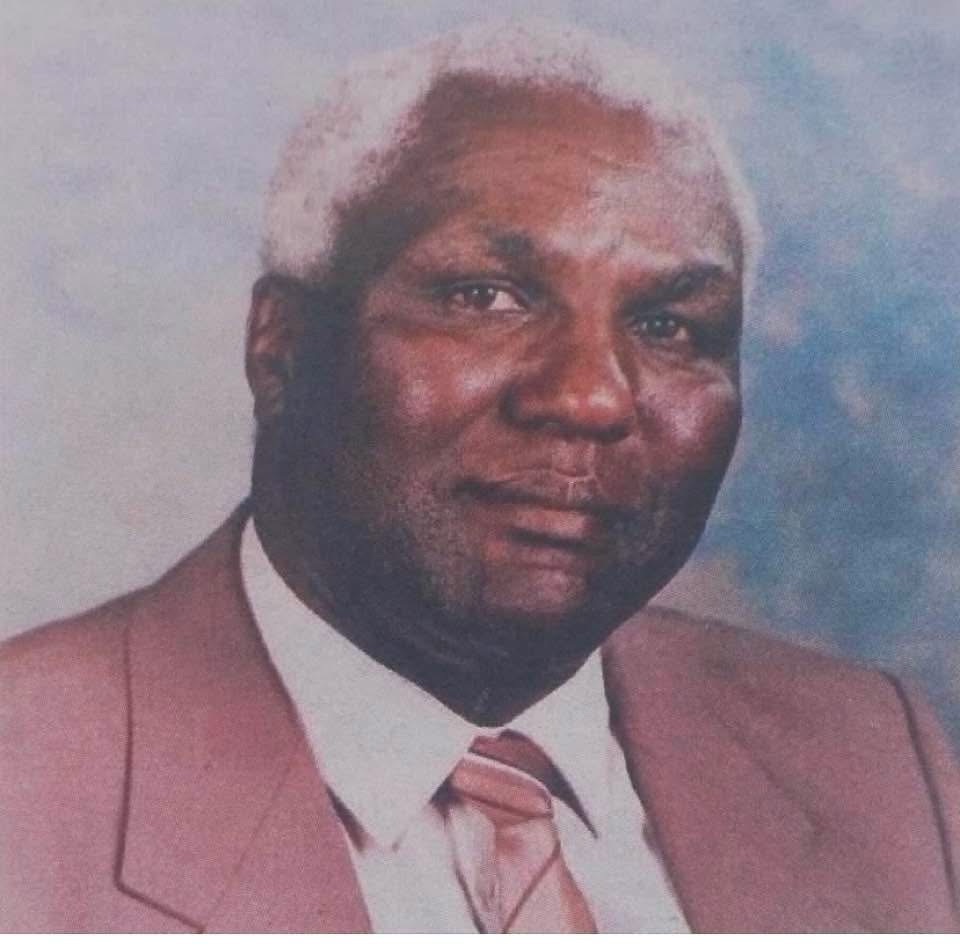
Fact or Folklore? The Story Behind Kiarie wa Njoki”
Kiarie wa Njoki, better known as Kiarie Muici, was a man both admired and feared, a coffee baron and wheeler‑dealer whose name became synonymous with trickery and power in Kiambu politics and business. To his supporters he was simply Kiarie wa Njoki, the smart businessman from Ndumberi, but to his rivals he was the ruthless “thief” who walked with a licensed gun and the confidence of a man who knew the system too well. Tales are still told of how he was rumored to have even stolen Mzee Kenyatta’s ring and to have moved from open robbery to “cleaner” cons, using his wit, connections and paperwork instead of knives and guns. His father Mbugua is remembered in local lore as having “faced the knife” at Nyongara River on the same morning as Mzee Kenyatta, tying the family name to the founding myths of the nation and giving Kiarie a strange aura of destiny and danger from his youth. By the 1970s to 1990s, he had built transport, land and coffee empires, frequently in court over debts and land rows, yet always seeming to slip through the fingers of justice, earning him a place in Kenyan urban legend as the ultimate trickster tycoon.
Kiarie wa Muici walked like a shadow across the ridges, a man whose name was spoken in low tones, never shouted. To some, he was just another village man in a worn coat and dusty shoes. To others, he was the whisper behind every missing cow, every vanished lorry, every title deed that changed hands without a trace.
It began with the coffee boom, when farmers in the area started to taste the sweetness of money. One by one, new cars appeared on the red soil roads, and the lucky few even bought lorries to ferry coffee to the factories. That was when Kiarie truly sharpened his craft. Whenever a farmer brought home a brand new vehicle, word somehow reached him. Days later, under the cover of darkness, that gleaming car or lorry would simply disappear. No broken glass, no witnesses, no screams in the night. It was as if the earth itself had swallowed it.
But Kiarie had his own strange patience. He was not in a hurry to parade his stolen wealth. The story goes that he would have the vehicle quietly hidden, buried deep in thickets or locked away in secret shelters far from prying eyes. Months would pass, long enough for the owner to give up hope, to sell a cow to pay debts, to mutter bitterly about bad luck. Only then, when people had almost forgotten, the same car or lorry would reappear on the road repainted, with new plates, driven by a man loyal to Kiarie or registered under another name entirely. Those who recognized it pretended not to. They valued their peace more than the truth.
His presence at community events only deepened his legend. At funerals, where grief hung thick in the air, Kiarie would arrive quietly and take his place among the men. Children, half-curious and half-terrified, would nudge each other and sneak glances. Sometimes a brave or foolish one would point and whisper, “Huyo ndio Kiarie wa Muici.” If he caught them pointing, a cold dread would fall over the family. Mothers quickly pulled small hands down and hissed warnings. A child who mocked Kiarie risked a beating at home not because the parents loved violence, but because they feared attracting the attention of a man rumored to have eyes everywhere.
Soon, simply seeing him at a burial was enough to change the mood. Conversations softened. Laughter died quickly. Men lowered their voices, and women pretended to be busy with tea and mandazi. If a wealthy farmer or a shopkeeper was present, he shifted uncomfortably, suddenly remembering unpaid debts, disputed plots, or that new Peugeot parked by the gate. Kiarie never needed to create drama; his silence did the work for him.
Over time, stories of his cons began to circulate like smoke. There were whispers of rich farmers signing papers they did not fully understand, promised quick money or protection from imaginary enemies. A signature here, a fingerprint there, and suddenly, a coffee plantation no longer belonged to the family that had tilled it for generations. Some said Kiarie had a way with words, wrapping lies in friendship and promises. Others insisted he worked with officials, that he never walked alone, even when he seemed to.
Yet no matter how many tales were told, nothing was ever clear enough to pin him down. Those who tried to follow the trail of forged documents and shifting ownerships often found themselves confused, threatened, or simply exhausted. Court cases appeared and disappeared. Files went missing. Witnesses changed their stories. It was as if Kiarie operated in a fog that grew thicker the closer you walked to it.
For the children of that era, he became a living warning. Parents would say, “Don’t grow up to be like Kiarie,” even as they quietly admitted he was clever. They feared him, but they could not completely deny a grudging respect for his daring. He was proof that one man, armed with cunning and cold courage, could bend a whole community’s nerves without ever raising his voice.
Today, when old men sit on wooden benches under cypress trees and talk of the past, Kiarie wa Muici still walks through their stories. They remember the unexplained disappearances of cars and lorries, the rich farmers who suddenly became poor, and the funerals that fell silent when he appeared at the gate. Some insist the stories are exaggerated; others swear every word is true. But all agree on one thing: in those days, if a child pointed and said, “There is Kiarie wa Muici,” the whole homestead would fall quiet—and that silence, more than anything else, tells you the kind of man he was.