Remembering Waiyaki wa Hinga: The Visionary Whose Name Still Guides Nairobi’s Waiyaki Way”
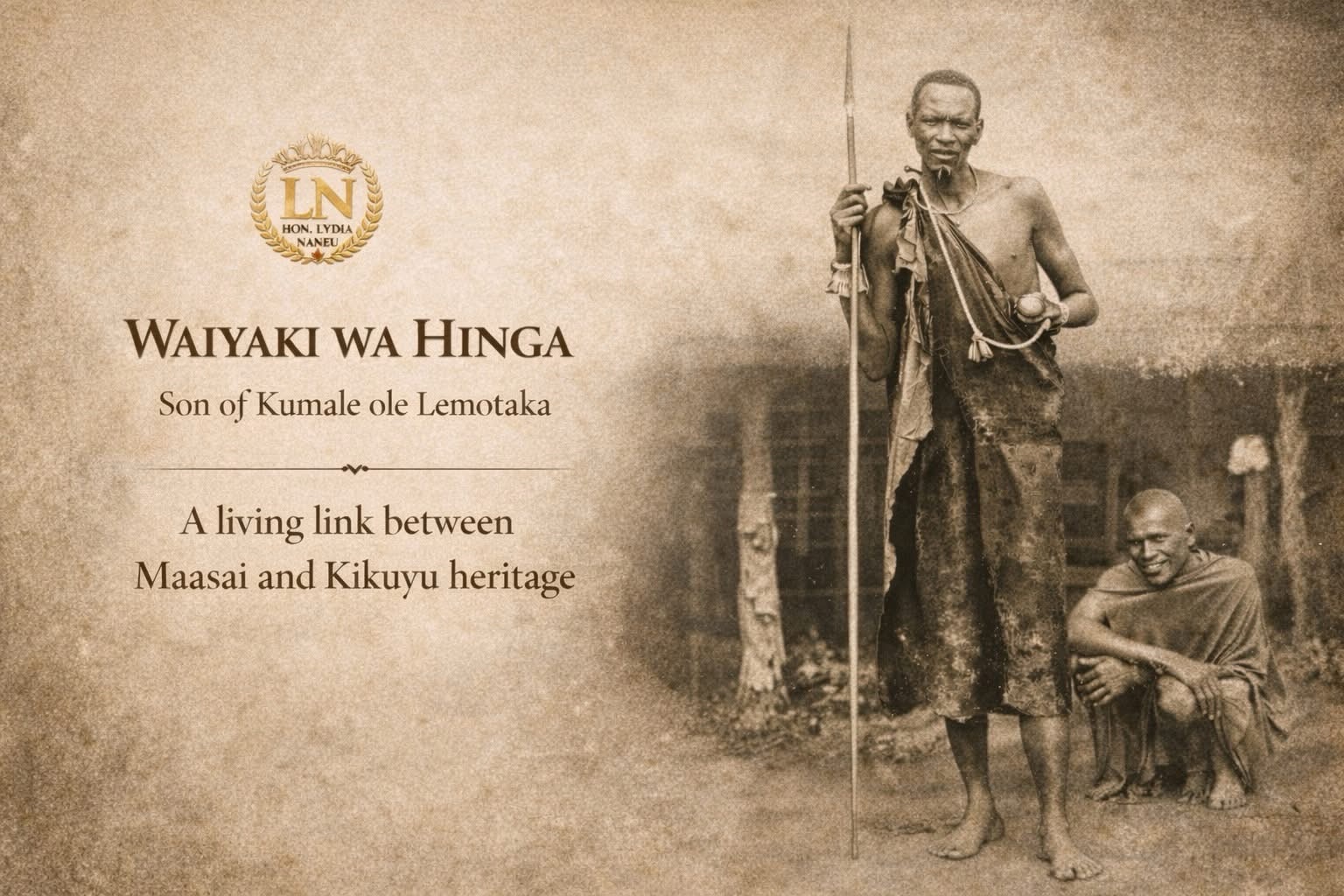
Waiyaki wa Hinga was the son of Kumale ole Lemotaka, a Maasai elder whose family sought refuge in Gatundu during a turbulent period, likely the Iloikop wars. Oral accounts suggest they were hosted by the Gatheca family, lineage of Chief Muhoho wa Gathecha, whose daughter became Kenya’s First Lady, Mama Ngina Kenyatta.
Kumale ole Lemotaka was given the name “Hinga” by the Kikuyu due to his Maasai roots. The name referred to someone who lived among the Kikuyu yet spoke Maa or had lived among the Maasai, reflecting fluid cultural boundaries.
Waiyaki grew into a respected Kikuyu leader, establishing a large fortified settlement. He initially sought peaceful engagement with the Imperial British East Africa Company, welcoming Frederick Lugard and allocating land for a fort.
However, cultural misunderstandings emerged. British officials misinterpreted Waiyaki as the “Paramount Chief of the Agikuyu”, but he was a “Muthamaki” – one among influential elders, serving as spokesman, chairing territorial councils, and leading his age-set. Authority was collective, guided by councils of elders.
Tensions escalated in 1892 after a failed punitive expedition by Company forces against Githunguri Kikuyus. Officer Purkiss blamed Waiyaki, who feared collective punishment. A confrontation followed; Waiyaki was struck, arrested, and transported toward the coast. He never reached Mombasa.
Waiyaki died en route and was buried at Kibwezi. Some traditions claim he was buried alive, a claim debated by historians.
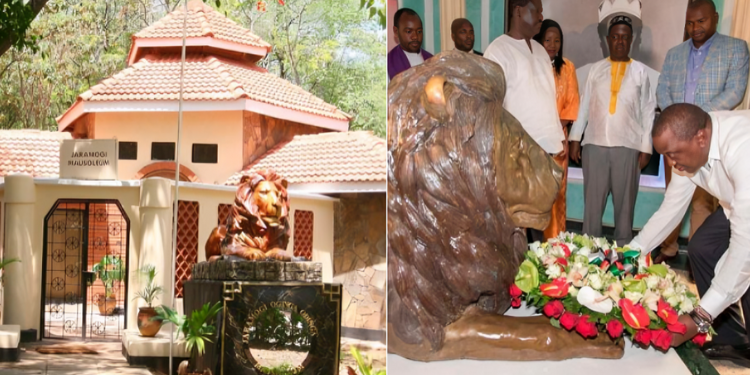
Waiyaki’s legacy endures. Waiyaki Way, a major Nairobi road, is believed named in his honor, a reminder of a leader at the crossroads of diplomacy, resistance, and colonial expansion.