New Report Reveals Top 10 Most Trusted Brands in Kenya [LIST]
Glass House PR, a leading public relations and strategic communications agency, has today, December 1,2025, released the 2025 Brand Trust Report, with Safaricom leading the list as the most trusted and interacted-with brand.
The list consists of feedback from thousands of surveyed urban, digitally native consumers aged 18-44, and found that 87.2% of respondents named Safaricom as the brand they trust and interact with most, marking more than double the score of any other company in the country.
“Trust is the new currency in Kenya; Kenyans are no longer swayed by advertising or celebrity endorsements. They reward brands that consistently deliver quality, transparency and human-centered service and they punish those that don’t,” said Mary Njoki, Founder and CEO of Glass House PR, at the report’s launch in Nairobi
Key findings from the 2025 Brand Trust Report
The survey revealed that trust is now the new currency, as most Kenyans, rated at 87.75%, responded that they prefer to engage or shop only from the outlets they have trust in.
Safaricom, the communication giant, still held the first position on the overall list of companies studied, with a mention rate of 87.2%, more than double that of any other brand in the study, a dominance driven by the company’s integration into daily life through M-Pesa, mobile data, and customer experience.
Coming second was the toothpaste company, Colgate, with a rating of 38.5% as the strongest in personal hygiene matters.
Airtel Kenya was also noted for being a steady rising competitor in data services, with a mention rate of 24.5% in the conducted survey.
In the banking section, Kenyans voted in favor of Equity and Kenya Commercial Bank (KCB), rating them at 19.5% and 13.5%, respectively, and terming them the leading financial institutions.
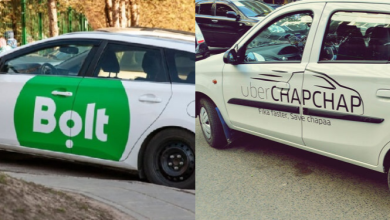
Bolt was rated at 19% while Uber was 14.3% getting mentioned as the most trusted brands in digital transportation
The top food and beverage category was bagged by Ketepa Limited with a rating of 17.3% and Soko followed closely at 15.8%.
Consumer Engagement
The report showed that most consumers prefer local brands, with 42.5% compared to 32.5% who prefer imported brands. 18.75% also expressed dissatisfaction with both local and international names.
The technology company ranked Kenya’s most trusted industry, with a 62.6% trust rate, followed closely by tourism and agriculture. The quality of products and services stood at 75.9%, customer service at 61.9%, and transparency at 61.9% were by far the biggest trust drivers.
Corporate social responsibility (CSR) and media coverage scored 13.2% and 11.5%, respectively, indicating that Kenyans prioritize proven performance over reputational rhetoric without tangible evidence.
The report also treated government services as brands for the first time and public transport and education services earned relatively high marks, but the Kenya Revenue Authority (KRA) and security services were ranked among the least trusted institutions, with over a quarter of respondents giving them low-trust ratings.
“Even the taxman and the police are now competing in the trust economy,” Njoki noted, adding that when citizens interact with eCitizen, KRA, or a traffic officer, they judge the experience the same way they judge Safaricom or Bolt.
Njoki concluded by addressing the fact that the future belongs to brands that do more than perform and must stand for something.
Ethical branding is emerging as a competitive advantage, urging organizations to embed integrity and transparency into their operations.