Nairobi’s skyline wasn’t built in Minnesota, narratives on Somali wealth are dangerous
What you need to know:
- Kenya’s real-estate sector has long functioned as a repository for wealth generated through domestic corruption.
- Somali commercial success is built on highly efficient resource mobilisation through trusted family and friendship networks.
It has become an article of faith, in some quarters of Kenya, that the country’s explosive construction in the real estate industry, particularly of malls and high-rise apartment buildings, is fuelled by the proceeds of fraud committed by Somalis in the American state of Minnesota. That belief or claim does not withstand scrutiny.
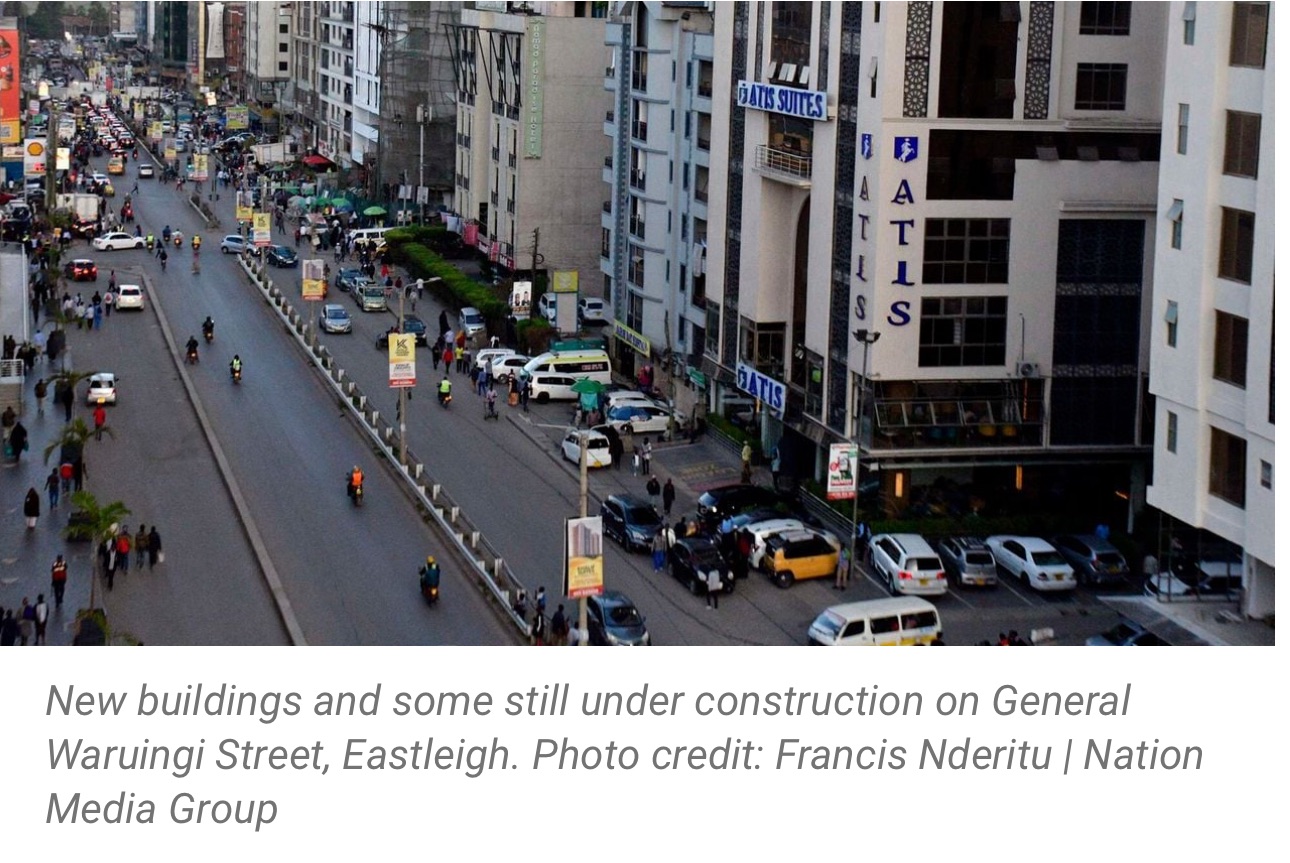
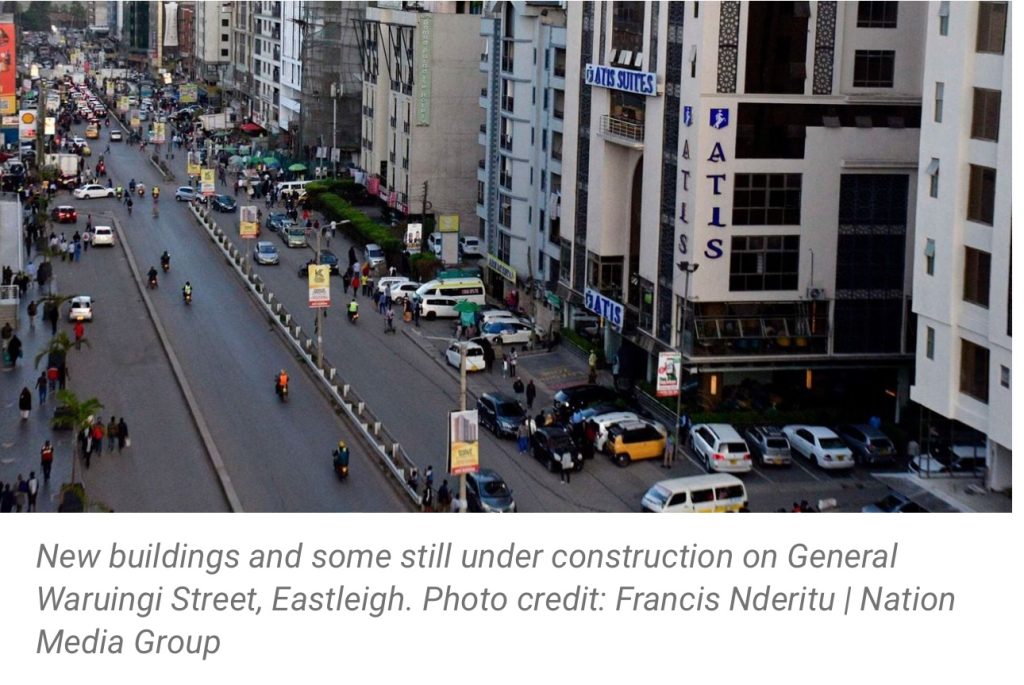
Nairobi’s urban expansion, from Eastleigh to South C to Kilimani and Kileleshwa, was well underway by the early 2000s, and largely driven by local capital, speculative land markets and State-enabled accumulation long before a few Somalis, twenty years later, figured out how they could illegally benefit from the 2020-
2022 Covid-era United States programmes.
The timelines do not align.
This is not to deny that traud occurred and that some illegal proceeds were invested in Kenya.
We have witnessed the documented cases resulting in significant prison time for those traudsters, and there are other cases in the pipeline. But acknowledging that fact does not support the far more expansive claim that Somali fraud money explains Kenya’s real-estate boom, or that Somali investment is uniquely suspect. The scale, timing, and structure of Kenya’s property market simply do not support such conclusions.
Kenya’s real-estate sector has long functioned as a repository for wealth generated through domestic corruption. Political elites-drawn largely from the country’s dominant governing blocs-have repeatedly converted State power into private property through land allocations, procurement fraud, preferential access to credit, and regulatory capture. This is not conjecture but documented practice.
Economic sabotage
Kenyan authorities and international partners have detailed large-scale traud, corruption and financial crimes involving non-Somali Kenyans whose proceeds were repatriated and invested in land, housing and commercial property.
Over the past decade alone, an estimated Sh350 billion was lost through looted public funds, opaque borrowing, abandoned mega-projects, inflated contracts and debt that delivered no public value.
While some of that money was parked offshore, a substantial share was recycled domestically, very often into the same real-estate sector now being selectively scrutinised.
It cannot be lost on any fair observer that these cases, rightly described as acts of economic sabotage, have never been framed as indictments of entire communities. They are treated, as they should be, as crimes committed by individuals.
For Somalis in Kenya, the rules appear to be different. Their loyalty is routinely questioned.
Their source of capital is habitually alleged, by competitors and social media influencers, to be illegal in origin-whether the charge of the day is “piracy”, or now US fraud. Rarely is the explanation mundane: decades of commercial experience, tight credit discipline, cross-border trade networks and relentless hard work.
Somali commercial success is built on highly efficient resource mobilisation through trusted family and friendship networks, anchored in long-standing clan-based accountability frameworks. Somalis are widely embedded in global commercial hubs, allowing them to operate seamlessly across borders and markets.
They pioneered the Hawala remittance system, now internationally recognised as one of the most efficient and resilient mechanisms for transferring money. Yet Somalis remain poorly understood and rarely appreciated.
Fraud allegations
The narrative now encircling Somalis has been significantly inflamed by US President Donald Trump and his MAGA cohorts, who have deliberately folded fraud allegations into an anti-immigrant campaign. Stripped of context and inflated in scale, that racist rhetoric has travelled well beyond the US, seeping into Kenyan discourse and reshaping how Somali wealth and belonging are publicly discussed.
The consequences of this fraud narrative are not abstract. When criminal scandals are ethnicised and granted public legitimacy, the results follow familiar lines: profiling, arbitrary raids, business closures, punitive regulation and, at times, public violence.
As someone who spent decades working for the United Nations in fragile and conflict-attected settings, I have seen what sustained hate and disinformation directed at minority communities can produce. Rwanda remains the starkest example. Somalis in Kenya are a historically targeted community, long subjected to securitisation and collective blame.
Nairobi’s skyline was not built in Minneapolis.
To suggest otherwise is to deflect attention from Kenya’s governance tailures while placing a vulnerable minority at risk. That is not only inaccurate, it is dangerous.
The writer is the Editor of The African News Edition and a former senior UN official