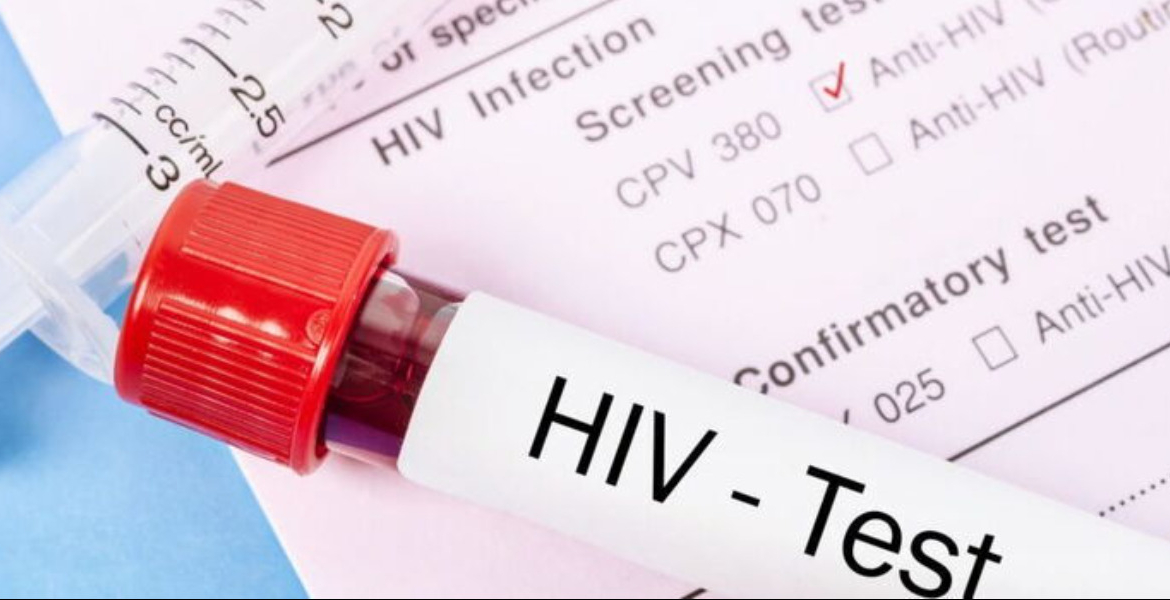
The Ministry of Health has clarified that HIV prevalence in Nairobi has slightly decreased, countering earlier claims of a rise in infection rates.
The confirmation came after National Syndemic Disease Control Council (NSDCC) Director Stephen Ndolo stated on Citizen TV that the city’s prevalence had fallen from 4.2 percent to 3.7 percent over the past year. His remarks followed questions from Nairobi Governor Johnson Sakaja, who had sought an explanation for figures that appeared to suggest worsening trends in the county.
Ndolo noted that despite the drop in prevalence, Nairobi’s large population means the total number of people living with HIV remains high. He explained that the city’s “high denominator” can make its infection burden appear larger even as the rate itself declines.
National data, however, presents a more concerning picture. Between 2023 and 2024, Kenya recorded a marked increase in new HIV cases. According to the NSDCC, ten counties, Nairobi, Migori, Kisumu, Homa Bay, Busia, Siaya, Kakamega, Nakuru, Mombasa and Bungoma, accounted for 60 per cent of all new infections last year.
The Council’s latest report places national HIV prevalence at 3 percent, with a clear gender gap: 4 percent among women compared with 2 percent among men. The findings also show rising HIV-related deaths, increasing from 18,473 in 2023 to 21,007 in 2024.