Museveni vs. Bobi Wine: High‑Stakes Showdown in Uganda’s 2026 Vote”
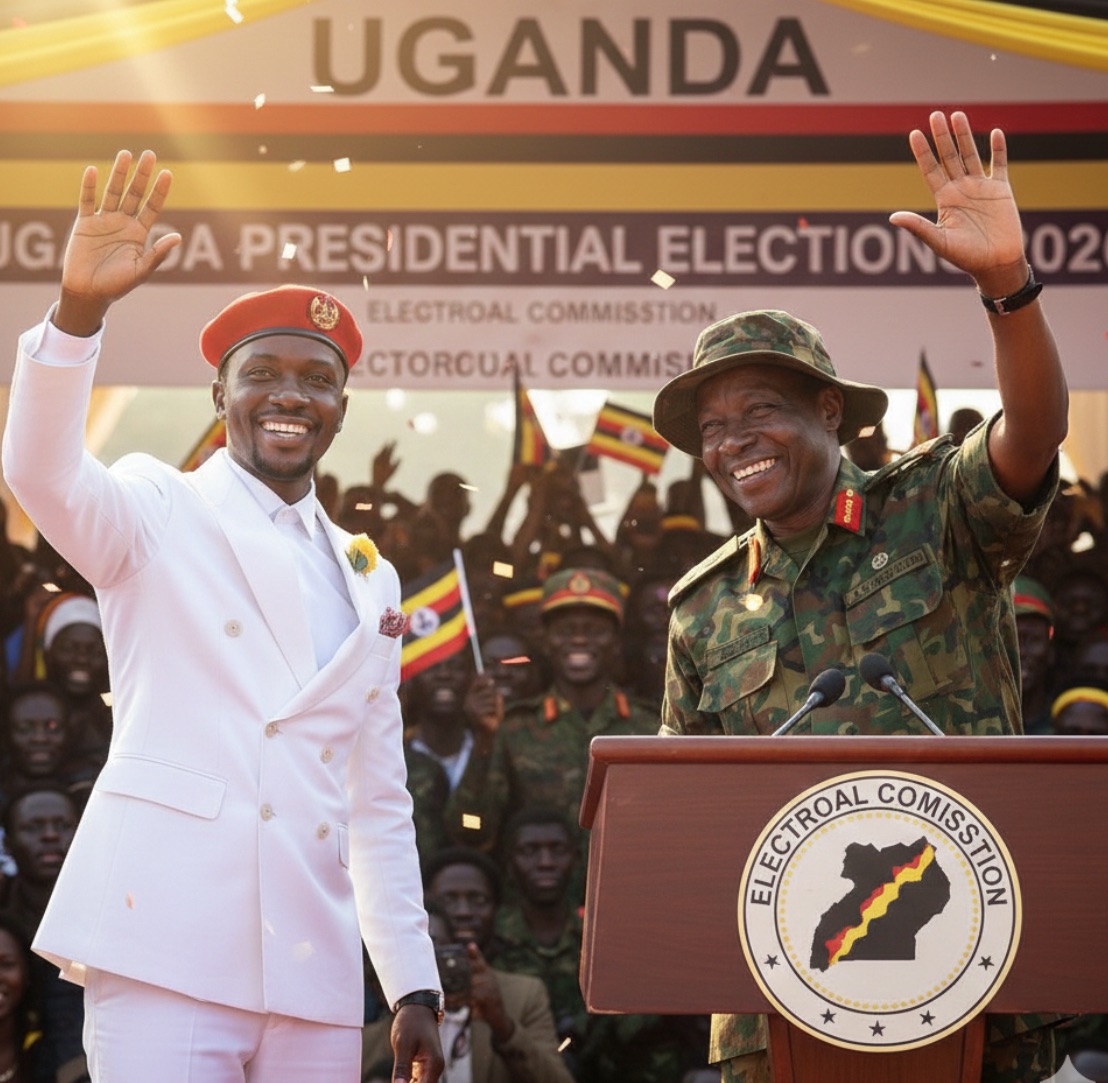
“Forty Years in Power: Museveni Expected to Extend Rule After 2026 Polls”
Uganda is heading to the polls this Thursday, 15 January 2026, in a closely watched general election to choose the president and members of parliament. The Electoral Commission has confirmed that presidential results will be announced within 48 hours of the close of polling, meaning the country expects a final declaration by Saturday, 17 January.
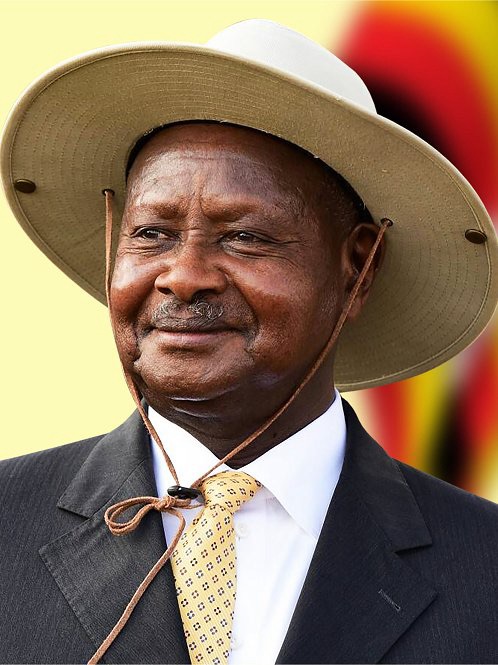
President Yoweri Museveni, now 81 years old and in power since 1986, is seeking a further term in office under the National Resistance Movement, which would extend his leadership toward four decades. His principal challenger is opposition figure and musician‑turned‑politician Bobi Wine, who again hopes to mobilize Uganda’s large youth population and urban voters for change.
Most analysts believe Museveni remains the frontrunner, citing his entrenched control over state institutions and his strong nationwide party machinery, although the campaign has been overshadowed by allegations of harassment of opposition supporters and concerns about media and internet freedom. Rights groups and civil society organizations have appealed to authorities to guarantee a peaceful process, respect for human rights and full access to communication networks as Ugandans cast their ballots.
As the nation awaits the outcome, attention will focus not only on who wins the presidency, but also on what this election signals about Uganda’s political future, succession questions and long‑term stability in the region.”
Uganda votes in pivotal general elections on Thursday, 15 January 2026, with President Yoweri Museveni widely expected to be declared the winner within 48 hours, extending a rule that began in 1986 to around 40 years in power.
Key dates and timeline
• General elections (presidential and parliamentary) are scheduled for Thursday, 15 January 2026.
• Polls are due to close late on Thursday, after which counting begins immediately at polling stations before results are transmitted to district and national tally centres.
• The Electoral Commission has announced it will declare the presidential winner within 48 hours of the close of polls, meaning an official result is expected by Saturday, 17 January 2026.
• President Museveni has declared 15 and 16 January 2026 public holidays to enable Ugandans to participate in voting.
Candidates and political context
• Incumbent President Yoweri Museveni, aged 81, has been in office since seizing power in 1986 and is seeking a seventh term after constitutional changes removed term and age limits.
• He is running on the ticket of the ruling National Resistance Movement (NRM), emphasizing continuity, stability, economic growth and the “protection of gains” made under his long rule.
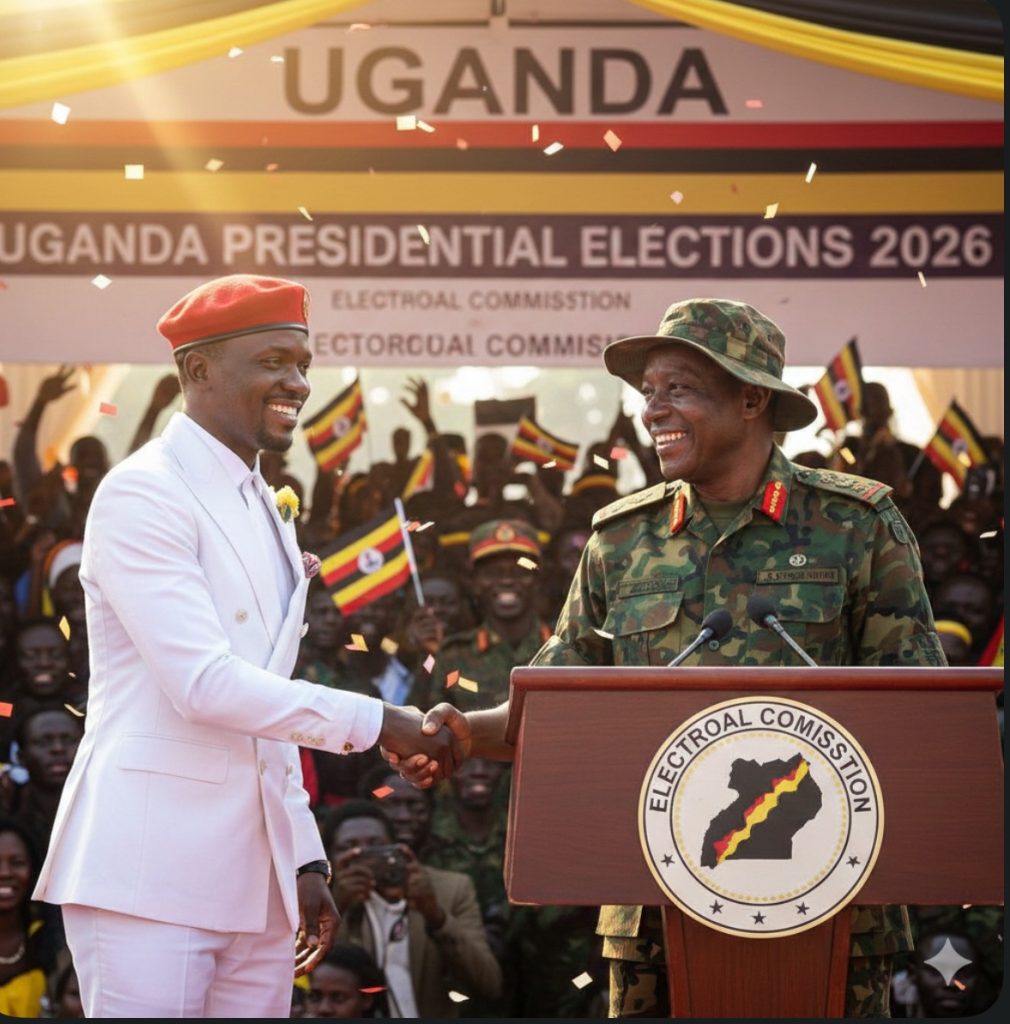
• His main challenger is Robert Kyagulanyi, known as Bobi Wine, a pop star–turned–opposition politician who previously ran against Museveni in 2021 and remains a rallying figure for many younger and urban voters.
• Opinion polling and most analysts suggest Museveni is strongly favoured to win again, given his control over key state institutions and the historical pattern of him surpassing the 50% threshold in the first round.
Electoral system and logistics
• Ugandans are electing both the president and members of parliament on 15 January, under a general election framework set by the Electoral Commission.
• The president is chosen using a two‑round system: a candidate must receive more than 50% of valid votes cast in the first round to avoid a run‑off within 30 days between the top two contenders.
• The Electoral Commission has distributed ballot papers nationwide, and results will first be announced at district tally centres before consolidation at the national tally centre in Lubowa, Wakiso District.
Controversies and concerns
• Human rights groups and opposition figures have raised concerns about pre‑election intimidation, restrictions on opposition activity and the independence of the Electoral Commission, repeating criticisms heard in past Ugandan elections.
• There are specific fears of internet shutdowns or disruptions during the vote, prompting digital rights advocates to urge the government to keep networks and online platforms fully accessible throughout the electoral period.
• Security forces have been deployed heavily in some areas, with observers warning that how they handle protests or disputes around results will be a key test for Uganda’s stability and its international reputation.