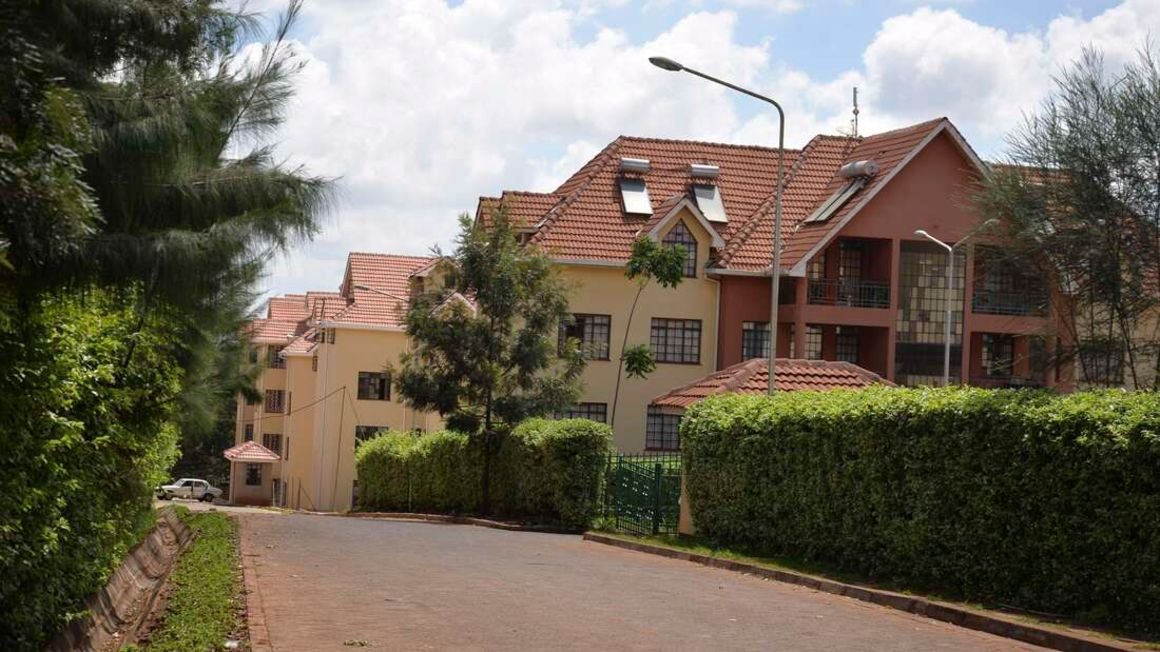
Memusi: A 700-Home Estate Designed for Ownership, Not Rentals
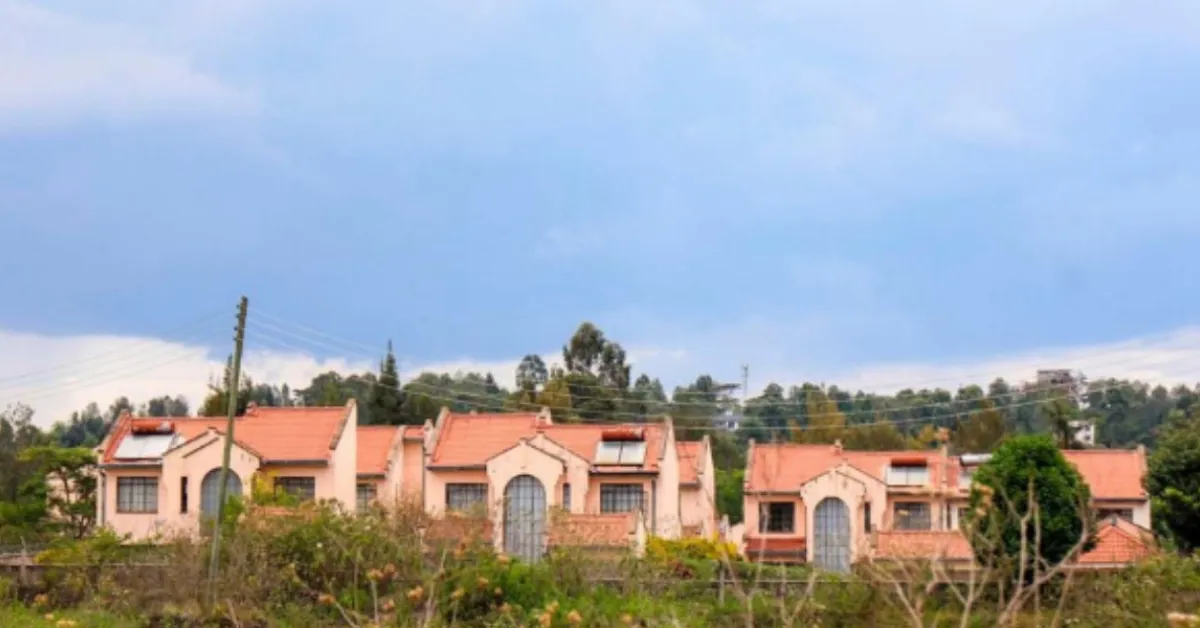
Land values in Memusi, a quiet neighbourhood in Kajiado County, have surged dramatically, with a quarter-acre plot now priced at Sh6 million, up from Sh500,000 a decade ago.
Memusi, located just beyond Ngong town, is characterised by modest brick-roofed homes built by early settlers. The community now comprises about 700 households, with relatively affordable rental rates, Sh10,000 for a one-bedroom and Sh20,000 for a two-bedroom unit. However, these affordable rents contrast with the steep rise in land prices, a trend that has been driven by urban expansion and infrastructure development.
Historically, Memusi’s land was part of Maasai settlement patterns, with long-time resident Salaon Kashorda recalling his father acquiring 70 acres in the 1940s, at a time when large land holdings were common. Ngong itself had become a shared settlement zone for multiple Maasai clans, which facilitated land transactions with outsiders. For several decades, the area remained largely undeveloped, but this changed in the late 1970s as infrastructure projects and land adjudication began.
By the 1980s, the introduction of electricity and boreholes caused a sharp rise in land prices, though this growth also exposed vulnerabilities, as many landowners took out loans against their land, eventually leading to dispossession through auctions. Zoning regulations have shaped the area’s development.
Rogers Mugusu, chair of the Ramesa Residents Association, notes that the neighbourhood consists predominantly of single-family homes, with commercial development along the Ngong–Kiserian road remaining limited due to planning restrictions and traffic congestion. Nevertheless, improved infrastructure, particularly the tarmacking of roads, has attracted investment.
Petrol stations and hardware stores are now common, reflecting the growing demand from commuters and construction activity. The value of land continues to rise, with prime plots fetching as much as Sh11 million. Soil type also plays a role in pricing, with red soil commanding higher rates than cotton soil.
As large-scale farming becomes less viable due to land fragmentation, many residents have turned to small-scale ventures. Poultry farming has become the most common enterprise, offering manageable returns on small plots. Additionally, businesses related to construction, such as hardware stores, have flourished.
Solomon Gicharu, a resident for nearly two decades, had originally intended to use his half-acre plot for farming but now observes that poultry farming is the most practical option.