Kenya’s Sh8 billion Somalia Wall That Remains Unfinished
Kenya’s plan to build a fortified barrier along its border with Somalia has stalled, leaving behind incomplete fencing, damaged structures and political disputes.
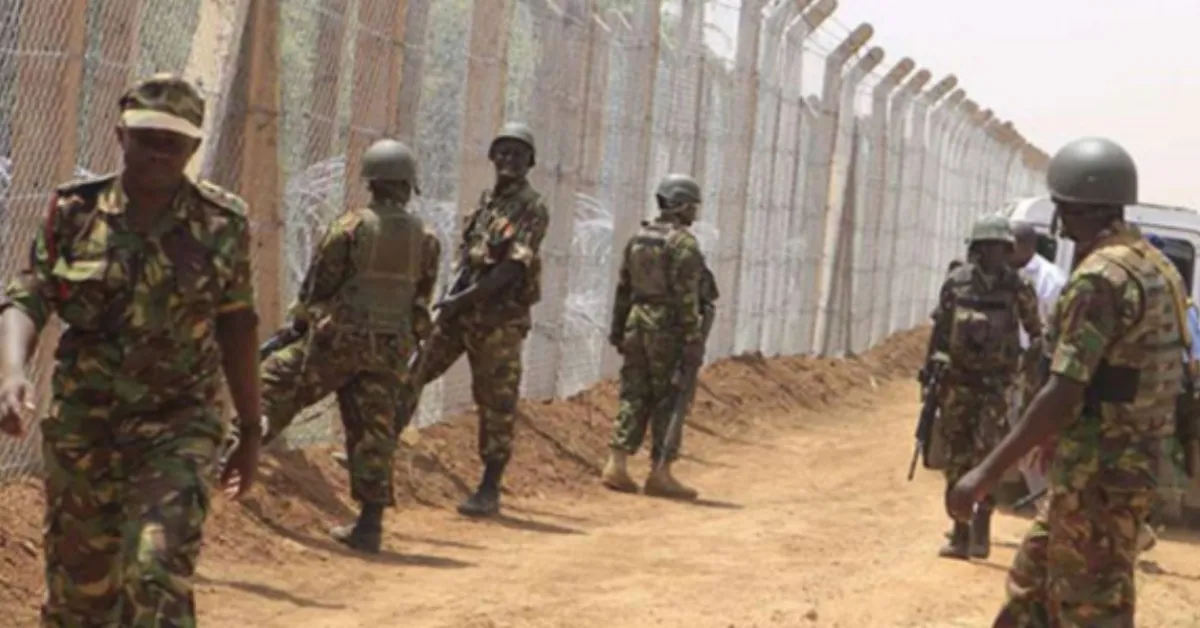
The project, launched in 2015 with a budget of Sh8 billion, was intended to run 700 kilometres from Mandera to the Indian Ocean. It was designed to include surveillance systems, checkpoints and patrol posts to prevent Al-Shabaab incursions. However, the scheme shifted from a concrete wall to a wire fence, raising concerns about its strength.
By 2019, only 10 kilometres had been built at a cost of Sh3.4 billion, leading parliament to question its viability. Funding was later suspended, and responsibility moved from the Ministry of Defence to the Ministry of Interior, but progress remained limited.
In Mandera, the border remains open in practice despite official claims. Residents cross freely into Somalia for trade, family visits and grazing. Goods from Kismayu arrive in Bula Hawa and are transported into Kenya by donkey carts. While this movement supports local economies, it also enables smuggling and raises fears of militant infiltration.
Sections of the fence have been dismantled, reportedly by residents and cartels, reflecting the tension between security measures and daily livelihoods. The project also affected communities living along the frontier. Families feared separation, and pastoralists faced restrictions on grazing.
Protests in Mandera highlighted opposition to a barrier that threatened social and economic ties. Combined with financial irregularities and political disagreements, these challenges prevented the wall from being completed.
President William Ruto has announced that Kenya will reopen its border with Somalia in April, nearly 15 years after it was officially closed following Al-Shabaab attacks. The government says new security deployments will protect the reopening, but analysts warn that Al-Shabaab remains active in Somalia.