Kenyan Domestic Worker Deported from Saudi Arabia After Leaving Abusive Employer
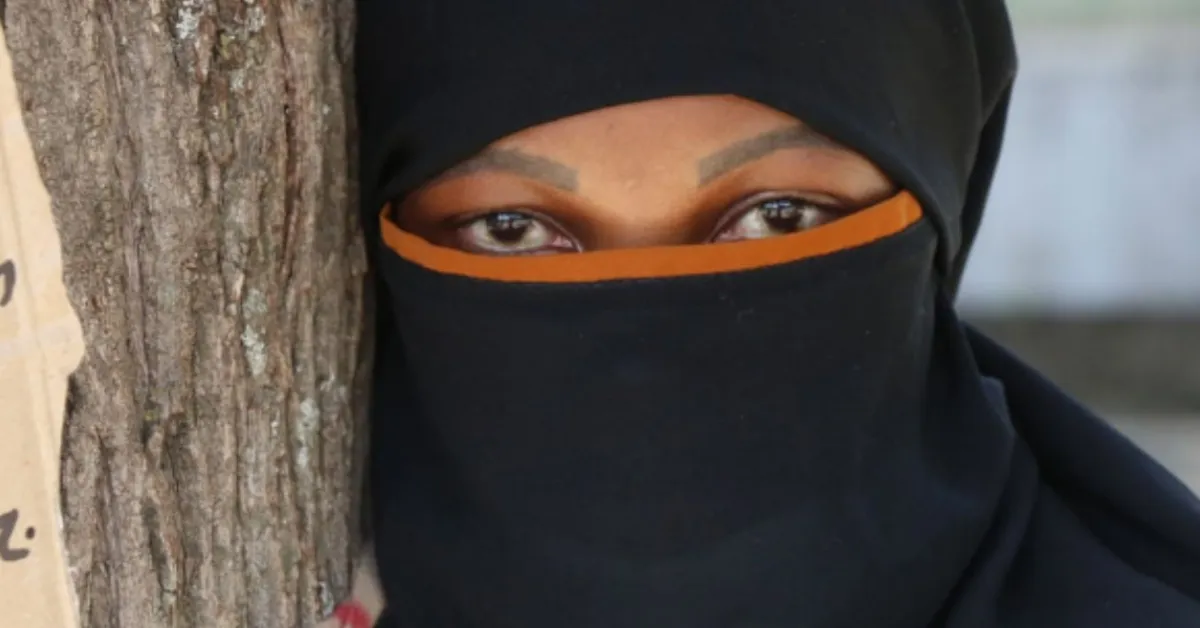
A Kenyan domestic worker who travelled to Saudi Arabia in 2021 in search of employment was later arrested, imprisoned and deported after leaving an abusive employer and falling outside the country’s legal labour system.
Susan Njeri, 34, left Kenya after struggling to support her family through irregular casual work. At the time, she was responsible for paying school fees for her two children, who were in upper primary and lower secondary school. With no savings to cover travel costs, she relied on a Nairobi-based agent who arranged her placement in Saudi Arabia without requiring upfront payment.
On arrival, the conditions she encountered differed sharply from what she had been promised. She was employed in a private household where she says working hours exceeded contractual limits, rest days were denied and wages were paid inconsistently. Her passport was allegedly taken by her employer, and contact with her family in Kenya was restricted.
Unable to speak Arabic and unfamiliar with local customs, she became increasingly isolated. After seven months, Njeri left her employer in search of alternative work. By doing so, she breached Saudi labour and immigration rules. For nearly three years, she survived by taking informal domestic jobs, moving frequently and remaining outside official systems. She says she was unaware of the full legal consequences of her situation.
Her circumstances changed after she encountered her former employer. Shortly afterwards, she was arrested for residing and working in the country illegally. She says she was detained without access to legal representation or a translator before being transferred to Dhahban prison, where she spent six months awaiting deportation.
Njeri describes conditions in detention as severe, citing overcrowding, poor sanitation and limited access to medical care. She says many detainees did not understand the charges against them or were unable to communicate their needs. Contact with families in their home countries was often impossible, leaving relatives without information about their whereabouts.
The period of detention had a significant psychological impact. Separation from her children and uncertainty about her future caused ongoing distress. Her release was secured after a later employer paid outstanding fines and arranged her return to Kenya.
She arrived back in Nakuru three weeks ago, physically exhausted and emotionally affected by her experience. Reintegration has been difficult, and she returned without any financial savings after nearly four years abroad. She says others she met in detention were in more precarious situations.
While imprisoned, Njeri encountered many Kenyan women whose families were unaware of their detention. Some had fled abusive employers, while others were left without support after recruitment agents disappeared. Before her deportation, several women gave her contact details for relatives in Kenya, hoping she would inform them of their situation.
Her case reflects ongoing weaknesses in labour protections, enforcement and consular support for migrant workers. Despite existing bilateral agreements and awareness campaigns, reports of passport confiscation, contract substitution and criminalisation of workers who leave abusive employment continue.
Now back in Kenya, Njeri has chosen to speak publicly about her experience. She has urged prospective migrant workers to seek verified information, understand employment contracts and ensure legal protections before travelling. She has also called on Kenyan authorities to strengthen diplomatic engagement and monitoring of citizens working abroad.