IEBC Stresses Shared Responsibility for Free and Fair Elections
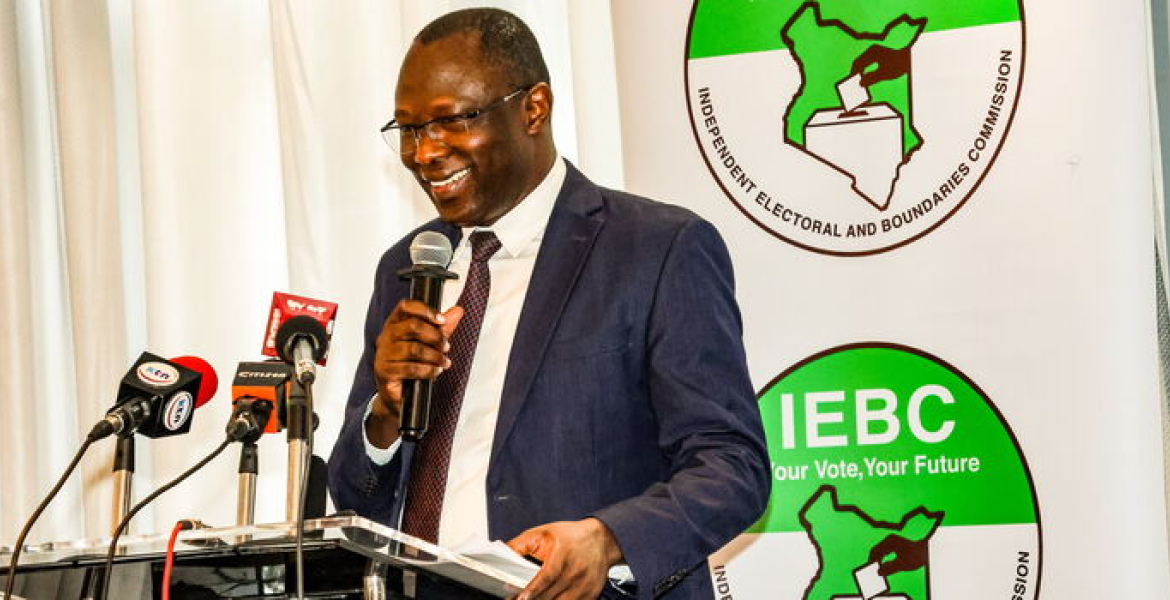
The Independent Electoral and Boundaries Commission (IEBC) has raised concerns about organised disruptions during the 27 November by-elections, with Chairperson Erastus Ethekon calling for stronger accountability across all actors.
Speaking at a post-election forum in Nairobi on 8 December, Ethekon said the polls showed progress but also exposed vulnerabilities that require joint action by political parties, security agencies, the media, and the public. He emphasised that elections are a shared responsibility and not the exclusive domain of the Commission.
Ethekon noted that although the IEBC worked closely with security teams, several disturbances at polling stations appeared to be coordinated attempts to intimidate voters and officials. He pointed to the emergence of “super-agents,” individuals operating outside the authority of accredited party agents, warning that such practices threaten the credibility of the electoral process and must be tackled through stricter regulation.
Addressing disputes in Mbeere North, Ethekon stated that the Commission cannot act on political pressure and will continue to make decisions strictly within the law. He said calls to disqualify candidates were unfounded and reaffirmed that the IEBC will not be swayed by threats or emotional appeals.
In Kasipul, where clashes erupted between rival groups, both leading aspirants were fined Ksh 1 million for breaching the Electoral Code of Conduct. Ethekon said the uniform penalties demonstrated the Commission’s commitment to applying sanctions fairly and consistently.
He commended journalists for supporting transparency but urged improved coordination to limit misinformation, especially during tallying. He dismissed claims that the IEBC favoured particular candidates, saying all decisions are documented and available for scrutiny. He encouraged citizens to report misconduct directly to the Commission to help prevent violence.
Ethekon also addressed funding challenges, noting that delayed government disbursements strain operational planning and increase risks during election preparation. He signalled readiness to consider reforms, including proposals to abolish the national tallying centre.