How CA’s digital broadcasting shift is set to ease FM frequency listenership
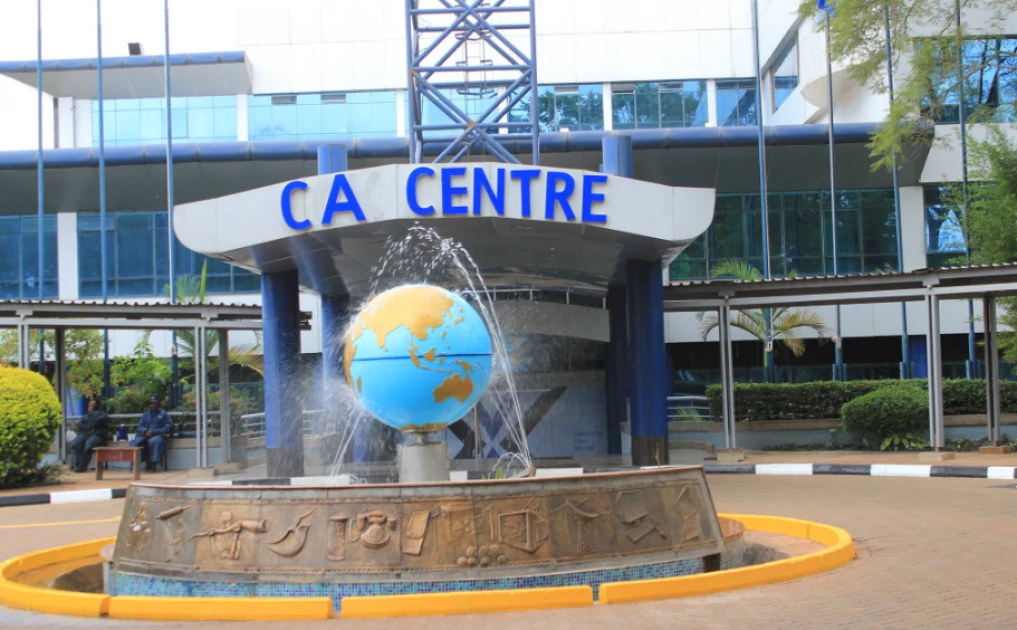
The Communications Authority of Kenya (CA) has commenced a 12-month pilot phase for Digital Sound Broadcasting (DSB) services in Nairobi to ease listener access and interference on the popular FM frequency.
DSB technology involves the conversion of analogue data to compressed digital data to allow multiple radio stations to share one frequency.
CA announced the move on February 14, on World Radio Day, saying the move was prompted by the limitations under the FM frequencies in VHF Band II (87.5-108.0 MHz) — commercial radio operates in the Very High Frequency (VHF) spectrum.
The limitations include saturation in major coverage areas, increased interference, and relatively poor audio quality, leaving little room for new broadcasters.
CA added that hosting multiple services on a single channel will lower transmission costs and create space for new entrants, including community broadcasters, by providing reserved capacity at nominal carriage costs.
“Broadcasters and investors stand to gain from wider coverage, lower barriers to entry and new revenue opportunities,” CA noted. “By separating content provision from signal distribution, broadcasters can focus on compelling content to serve diverse needs of consumers.”
“Over time, through the framework, the Authority aims to substantially expand the number and variety of services, including digital-only stations serving diverse communities,” CA added.
Listeners have been assured that digital radio will bear clearer sound, reduced harmful interference, and a wider choice of programming.
They will also benefit from increased content diversity, including niche, regional and thematic services, as well as potential value-added data services such as programme and station information.
Existing FM services will also not be replaced, as CA noted that no analogue switch-off date has been set, and listeners will continue enjoying uninterrupted listening as digital platforms are rolled out in phases.
The roll-out will begin with the Mombasa—Nairobi—Kisumu corridor and major population centres.
The Authority said that it will conduct monitoring and evaluation of the network over the 12-month trial deployment period to ensure adequate signal coverage, good quality of service, affordable receivers, and public education to drive voluntary uptake.
“The framework was subjected to stakeholder engagement, with input from broadcasters, signal distributors, equipment vendors, government agencies, and industry associations,” CA added.
Sound broadcasting remains one of the country’s most important media platforms, reaching about 98% of homes and supporting 300 licensed broadcast services.