Global Fuel Disruptions Drive Up Air Ticket Prices in Kenya
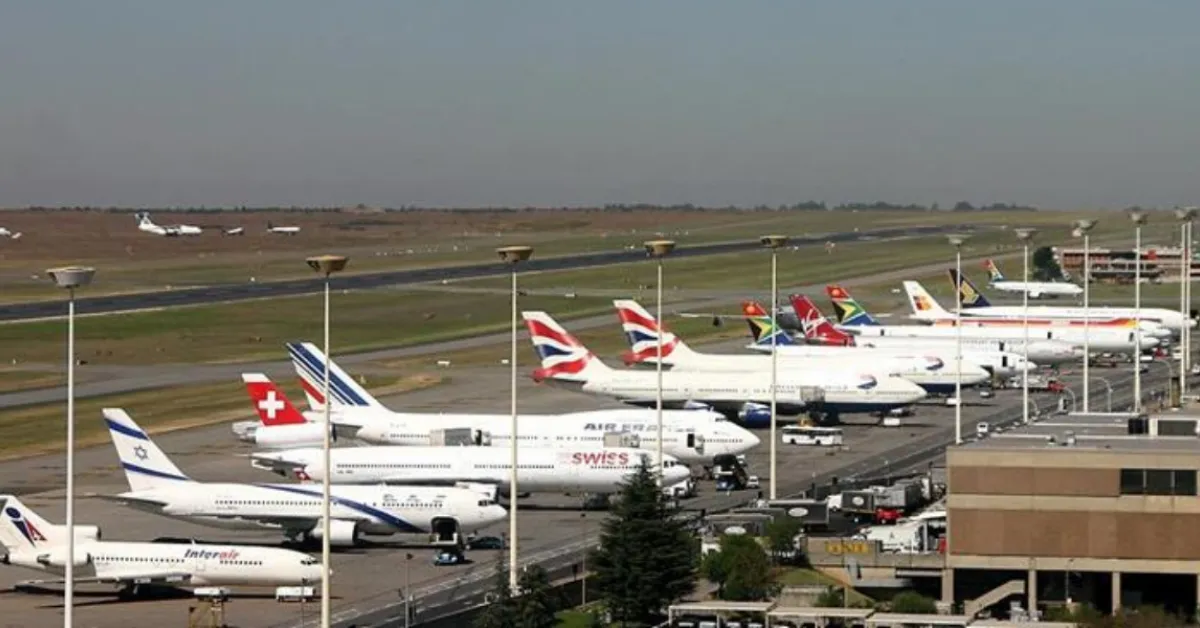
Air travellers in Kenya are likely to face higher ticket prices as airlines respond to rising jet fuel costs and supply uncertainty.
Kenya’s aviation sector is under pressure due to disruptions in global fuel supply, driven largely by tensions in the Middle East. Shipping routes through the Strait of Hormuz, a key corridor for energy transport, have been affected, reducing the availability of jet fuel and kerosene. Industry analysts report that prices are changing rapidly, making it difficult for airlines to plan operations or manage costs effectively.
Airlines operating across Africa are already experiencing this volatility. According to industry representatives, fuel prices can vary significantly between airports, forcing operators to negotiate rates at each destination. Kenya is particularly vulnerable because fuel accounts for a larger share of airline expenses compared to global averages.
Jomo Kenyatta International Airport (JKIA), a major refuelling hub, handles approximately 9,300 aircraft movements each month. With thousands of flights requiring fuel, even small disruptions can have a significant impact. Current reserves are estimated to last about 50 days, leaving limited room to absorb prolonged supply constraints.
Globally, jet fuel prices remain close to record levels. Airlines are responding by considering fuel surcharges and adjusting routes to manage costs. In Africa, limited refining capacity worsens the situation. Kenya is exploring alternative supply sources, including fuel from Nigeria’s Dangote refinery. However, most of the refinery’s output is allocated to domestic use, leaving only limited volumes available for export.
Fuel shortages are also affecting other sectors. Some filling stations in Kenya, particularly in rural areas, have reported stockouts and fuel rationing.