Frequent Flyers: MCAs Spend Sh822m on Foreign Travel
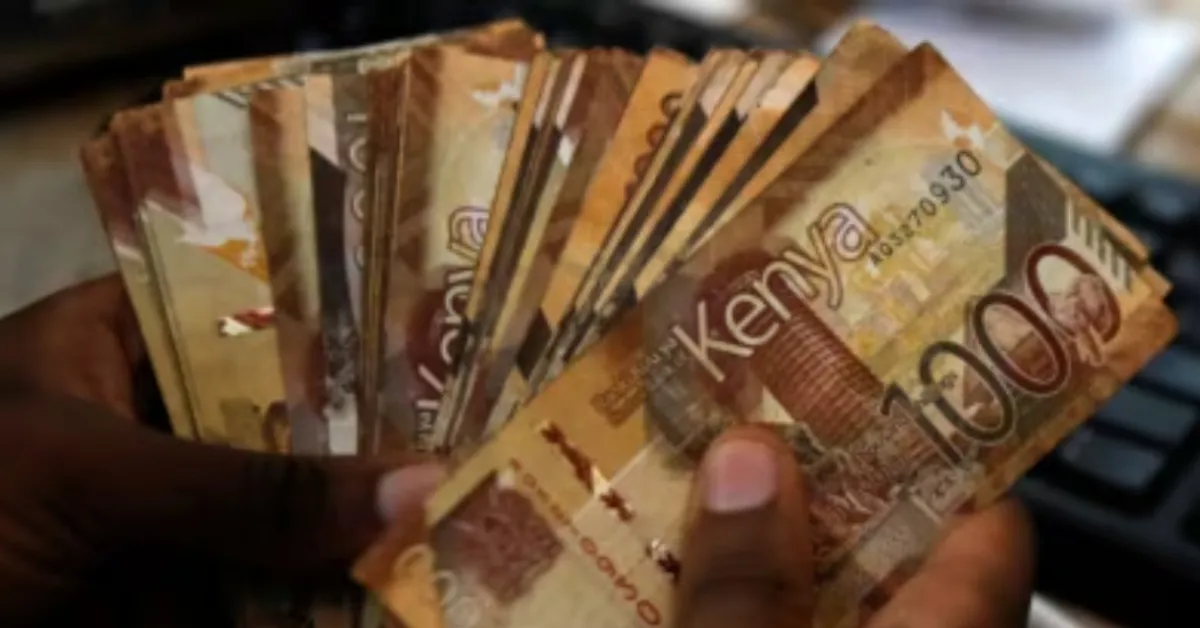
County governments in Kenya spent more than Sh822 million on international travel within six months, according to new data from the Controller of Budget.
The report by Controller of Budget Margaret Nyakang’o shows that 41 counties directed significant public funds towards foreign trips despite ongoing financial constraints. The trend comes two years after President William Ruto called for austerity measures across public institutions in response to economic pressures.
County assemblies accounted for the largest share of this spending, using over Sh511 million, which represents more than 60 percent of the total. County executives, including governors and senior officials, spent an additional Sh310 million. Common destinations included the United Arab Emirates, Singapore and Tanzania, particularly Arusha, which is frequently used for training and benchmarking activities.
Lamu County recorded the highest expenditure, spending Sh65.4 million on several delegations travelling to Arusha for governance training. This amount exceeded the county’s development expenditure over the same period. Other counties showed similar patterns, where travel spending approached or surpassed investment in key services.
Meru, Nakuru, Bomet and Tana River counties were also among the highest spenders. In Meru, assembly officials undertook 18 foreign trips to destinations including Dubai, Germany and Singapore, costing more than Sh63 million. Nakuru’s assembly spent nearly Sh48 million on repeated visits to Tanzania and Singapore within three months. Bomet officials travelled to Brazil, Australia and parts of Europe, with costs exceeding Sh31 million.
The data indicates repeated travel in several counties. Officials from Nyeri made multiple trips to Arusha within short intervals, often involving large groups attending training sessions and study tours. Counties such as Machakos, Kisumu and Mombasa also reported extensive travel across different regions, typically described as capacity building, partnership development or conference attendance.
The scale and frequency of these trips have raised concerns about value for money. While training and benchmarking are recognised as important, the size of some delegations suggests spending that may go beyond essential needs. This is notable as some counties continue to report limited funding for essential services.
Only a few counties, including Homa Bay, Kwale and Mandera, reported no expenditure on foreign travel during the period under review.
The findings come as county governments seek increased funding from the national treasury, with the Council of Governors requesting more than Sh530 billion in equitable revenue. At the same time, county assemblies are pursuing higher budget limits and greater financial independence, often presenting their proposals to the Senate.