Family Pain and Closure: Visiting the Gravesite in US after 9 Years
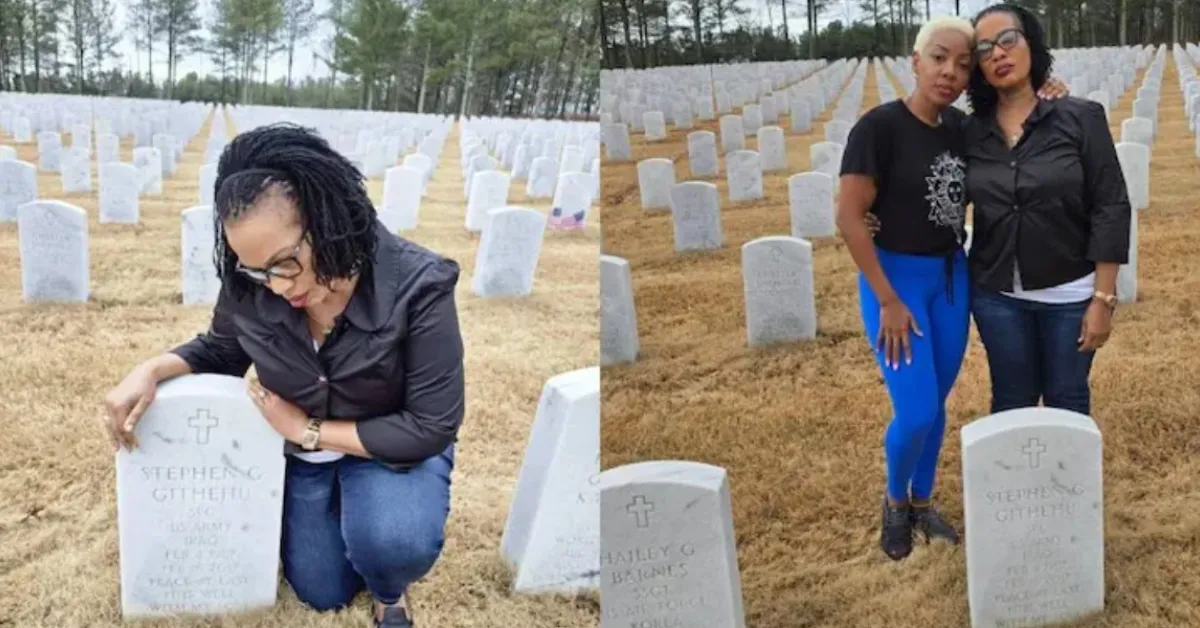
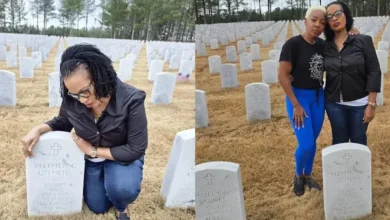
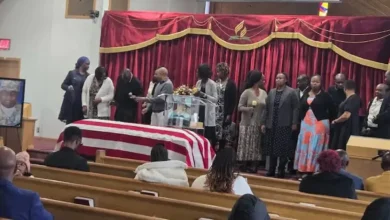
In a deeply emotional journey marked by grief, resilience, and healing, Kenyan-born Jane Mukami recently traveled to Atlanta, Georgia, alongside her mother to visit the gravesite of her late brother, Stephen Githehu—nine years after his death in 2017.
The visit, long overdue, offered the family a sense of closure after nearly a decade of silent pain following Stephen’s tragic passing by suicide on March 3, 2017. He was just 30 years old.
A Journey of Grief and Healing
Standing at the gravesite in a U.S. military cemetery, Mukami reflected on the enduring nature of grief and the emotional weight the family has carried for years. In a heartfelt Facebook post, she described grief as:
“a scar you can’t see, but you feel it when something brushes against it.”
For Mukami and her mother, the trip was not just about mourning—but about honoring Stephen’s life, remembering the joy he brought, and finding peace in the midst of loss.
Nine Years Later: Why Closure Matters
Mental health experts note that delayed grief processing is common among diaspora families, especially when loved ones are buried far from home. According to global mental health data:
Suicide remains one of the leading causes of death worldwide, accounting for over 700,000 deaths annually (WHO).
In diaspora communities, access to culturally sensitive mental health support remains limited.
Families separated by migration often experience prolonged grief disorder, especially when physical closure—such as visiting a grave—is delayed.
For Mukami’s family, the inability to visit Stephen’s resting place for nearly a decade compounded their grief.
The Story Behind the Loss
Stephen Githehu passed away in the United States on March 3, 2017. His death left a permanent void in the family, one that Jane Mukami has carried while navigating her own life challenges.
Having lived in America for over 26 years, Mukami’s journey has been marked by resilience. She has openly shared her experiences overcoming:
Domestic abuse
Divorce
Financial hardship, including bankruptcy
The devastating loss of her brother
Despite these hardships, she has remained committed to healing and personal growth.
Choosing Memories Over Pain
During the visit, Mukami made a conscious decision—to focus not on how Stephen died, but on how he lived.
Family members shared stories, reflected on cherished memories, and honored his life in a moment that blended sorrow with gratitude.
This shift—from tragedy to remembrance—is a powerful step in grief recovery, experts say, allowing families to reclaim narratives of love rather than loss.
A Wider Diaspora Reality
Mukami’s story resonates with many Kenyan diaspora families who have lost loved ones abroad. Reports indicate a growing number of Kenyans living and dying overseas, often leaving families to navigate grief across continents.
In 2024 alone, over 300 Kenyan deaths abroad were recorded (KNBS data)
Many diaspora families face logistical, financial, and emotional barriers to repatriation or visiting gravesites
This creates what some describe as a “silent grief crisis” within diaspora communities.
A Message of Hope
Mukami’s journey to Atlanta is not just a personal story—it is a message to others dealing with loss:
Closure may take time. Healing may not be linear. But remembrance, love, and resilience can coexist with pain.
As she continues her journey, Mukami hopes her story will encourage others to confront grief, seek healing, and honor their loved ones—no matter how much time has passed.