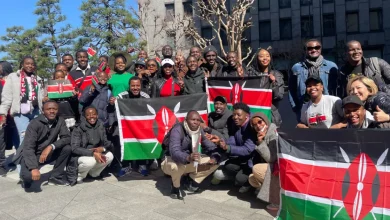
Davos 2026: Why “A Spirit of Dialogue” Matters for Us
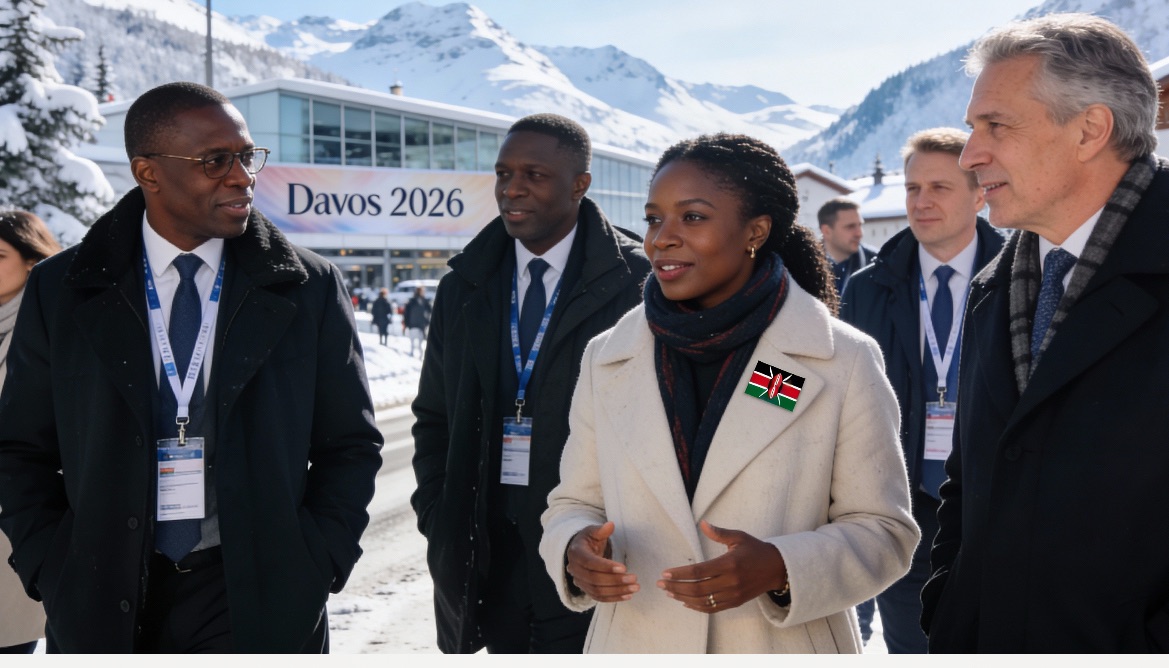
The World Economic Forum’s 56th Annual Meeting is taking place this week in Davos‑Klosters, Switzerland, under the theme “A Spirit of Dialogue.” Leaders from governments, business, civil society, faith communities and youth movements are meeting from 19–23 January 2026 to seek common ground in a very divided world.
Davos 2026 is highlighting how AI, automation and “physical AI” (robots plus intelligence) are moving from pilots to large‑scale deployment in factories, warehouses, offices and services.
The focus has shifted from hype to questions like: which human skills will be most valuable, how to reskill workers, and how to keep AI trustworthy, inclusive and regulated.
The big theme: A Spirit of Dialogue
This year’s theme is a response to rising geopolitical tension, mistrust and polarization. The forum’s goal is to create safe spaces where leaders can listen to each other, lower the temperature on conflicts and negotiate practical cooperation. Instead of shouting across ideological lines, Davos 2026 is challenging participants to rediscover genuine dialogue rooted in respect, facts and shared responsibility.
Five questions shaping the agenda
The official programme is built around five defining questions for 2026 and beyond.
How do we cooperate in a more contested, fragmented world marked by wars, sanctions and strategic rivalry
(security, multilateralism, regional blocks, peace efforts)?
Where will the next wave of growth come from
(technology, green transition, entrepreneurship, emerging markets)?
How do we invest in people
(jobs, reskilling, education, mental health, inclusion and social protection)?
How do we deploy powerful innovations like AI, biotech and quantum responsibly
(governance, ethics, safety and access for all)?
How can the world build prosperity while remaining within planetary boundaries
(climate, nature, food systems, and the global “Year of Water” focus)?
2026 as the “Year of Water”
One of the strongest threads at Davos 2026 is water. The World Economic Forum has framed this as the “Year of Water,” highlighting the global water cycle crisis and the need to protect rivers, lakes, aquifers and rainfall patterns that communities depend on. Discussions cover floods, droughts, urban water stress, food security and how to finance water resilience projects, especially in vulnerable regions.
For Africa and other climate‑vulnerable regions, this is not an abstract topic. Extreme weather, changing rainfall, and pressure on agriculture and cities are already realities, and Davos is trying to connect finance, technology and policy to support large‑scale solutions.
Why this matters for Kenya and the global south
African and global south voices are pushing in Davos for fairer investment, debt relief, and support for small and medium-sized enterprises that create most of the jobs. Delegations from countries like Kenya are using the platform to showcase reforms, climate projects and investment opportunities, and to argue that global rules must reflect the needs of younger, high‑growth societies.
For our communities in the diaspora, Davos 2026 is a reminder that:
• Global decisions on trade, finance, technology and climate directly affect families at home and abroad.
• Skills, innovation and entrepreneurship in the diaspora are part of the solution, not a side story.
• Prayer, advocacy and informed participation are needed so that high‑level dialogue translates into justice on the ground.
As the conversations in Davos continue under this “Spirit of Dialogue,” the hope is that the forum will move beyond speeches to concrete partnerships that protect people, steward creation and open fair opportunities for future generations.
The next decade will see AI and robotics deeply woven into everyday work and life, and Davos 2026 is treating this as a “now” issue, not science fiction. Kenya is expected to be represented in Davos 2026 by President William Ruto and a high‑level team led in preparations by Prime Cabinet Secretary Musalia Mudavadi, with a wider African presence pushing innovation, investment, and climate resilience. Over the last five years, the World Economic Forum has consistently converged on a few big takeaways: technology must be governed responsibly, sustainability is now core to business, and real progress depends on partnerships across governments, business and civil society.
Kenya and Africa at Davos 2026
• Kenya has treated Davos 2026 as a strategic moment: President William Ruto is slated to lead the delegation, with Musalia Mudavadi (Foreign and Diaspora Affairs) coordinating preparations alongside Foreign Affairs PS Singoei Korir and Tech Envoy Philip Thigo.
The stated aim is to leverage Davos to attract investment, showcase Kenya’s innovation and tech ecosystem, and position the country at the table on issues like sustainability, digital economy and economic resilience.
Reports and communiqués from these forums stress that businesses embedding sustainability and social responsibility are more resilient, and that multistakeholder partnerships are essential to deliver on the SDGs by 2030.