Artemis II Astronauts Travel Farther From Earth Than Any Humans Before
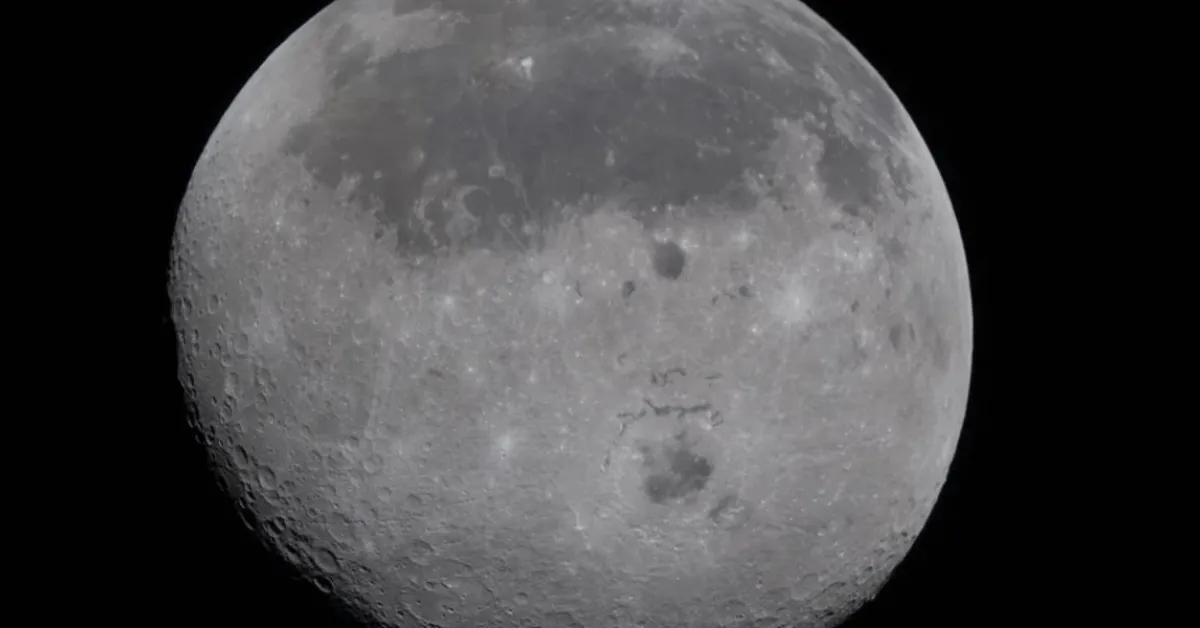
NASA’s Artemis II astronauts have travelled farther from Earth than any humans before them, reaching 252,756 miles during a flyby of the Moon’s far side.
The four-person crew, commanded by Reid Wiseman and including Victor Glover, Christina Koch, and Canadian astronaut Jeremy Hansen, piloted the Orion spacecraft to within 4,070 miles of the lunar surface. During the six-hour passage, they observed meteor strikes across the Moon’s shadowed terrain, a phenomenon not visible from Earth.
NASA scientists at the Johnson Space Center monitored the astronauts’ observations in real time to record new data. Artemis II surpassed the previous distance record set by Apollo 13 in 1970.
That mission, led by Jim Lovell, ended prematurely due to a near-catastrophic malfunction. In a tribute, the Artemis II crew began their day with a recorded message from Lovell, who passed away last year, welcoming them to “my old neighbourhood.”
While orbiting the Moon, the astronauts assigned provisional names to previously unlabelled features. Hansen suggested “Integrity” for one crater, after the Orion capsule, and another was named in honour of Wiseman’s late wife, Carroll.
The crew also captured images of Earth rising and setting against the lunar horizon. Communications were cut for nearly 40 minutes as the Moon blocked signals from NASA’s Deep Space Network, leaving the crew temporarily isolated.
President Donald Trump addressed the astronauts via live link, calling their achievement “inspiring the entire world.” Koch described the emotional impact of seeing Earth reappear after the blackout, while Glover admitted he offered a “little prayer” before resuming operations.
Artemis II serves as a rehearsal for future lunar landings, supporting NASA’s goal of returning humans to the Moon by 2028. The mission is gathering scientific data that will inform efforts to establish a sustainable lunar presence and lay the groundwork for eventual crewed missions to Mars.